From clear liquids to soft foods to a traditional Thanksgiving feast, here’s how to approach the holiday table based on your digestive health.
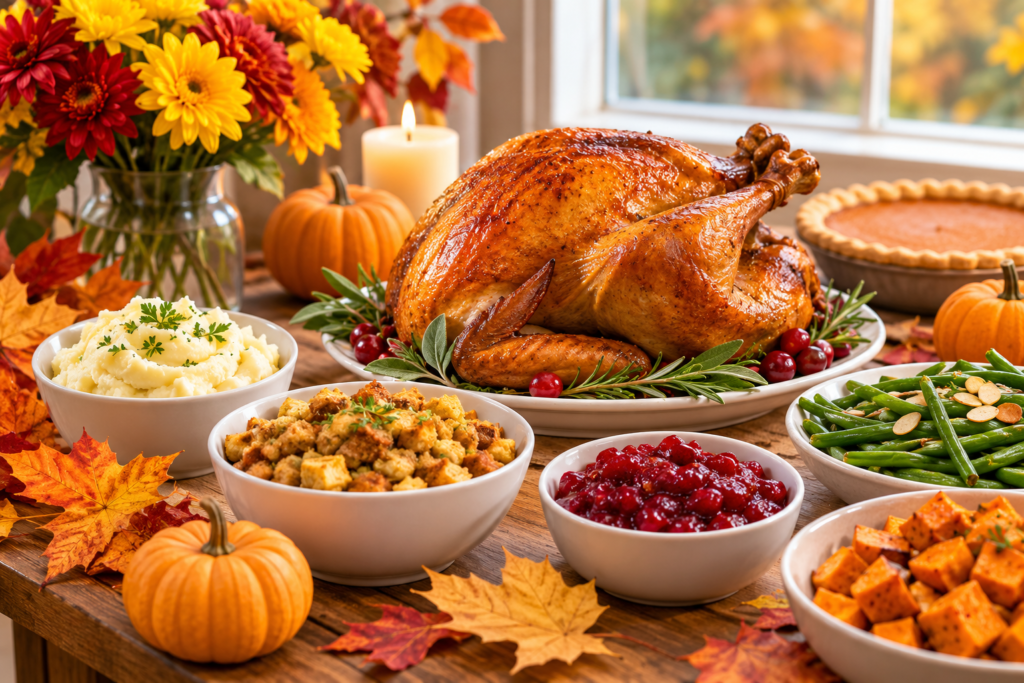
Thanksgiving is supposed to be about gathering with family, enjoying delicious food, and sharing a meal together. But if you have diverticulitis or diverticulosis, sitting down to a table filled with turkey, stuffing, mashed potatoes, casseroles, and pumpkin pie can bring up a lot of questions.
Can you eat turkey? Are mashed potatoes safe? What about stuffing, green bean casserole, cranberry sauce, or pumpkin pie?
And perhaps the biggest question of all: Does having diverticulitis mean you have to miss out on Thanksgiving dinner?
Not necessarily.
What you can eat depends on whether you’re experiencing an active diverticulitis flare, recovering from one, or living with diverticulosis without active inflammation.
The good news is that many traditional Thanksgiving foods can fit into your diet, depending on your stage of recovery and how they’re prepared.
Let’s walk through each stage so you can approach your Thanksgiving table with more confidence and less guesswork.
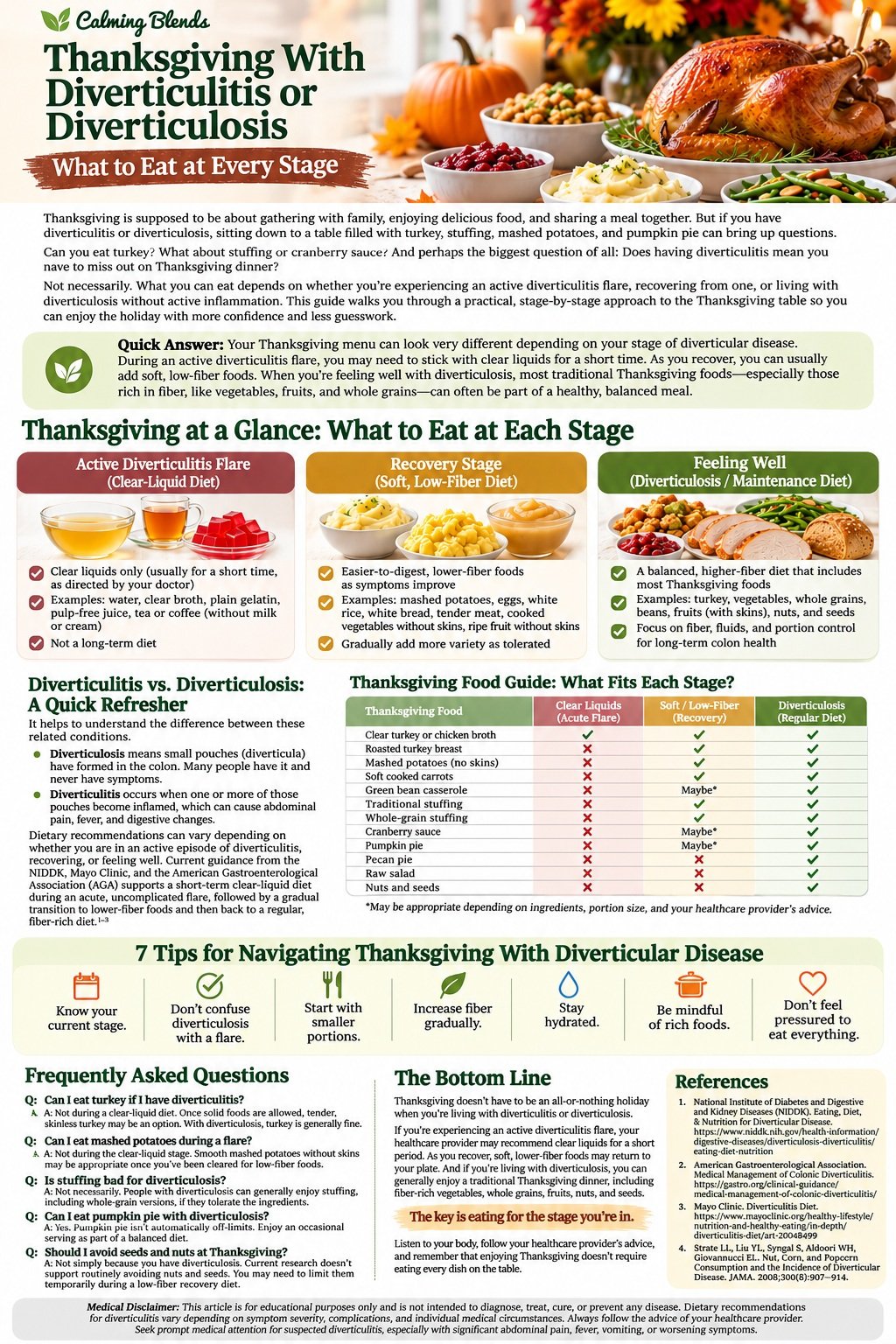
Quick Answer: Your Thanksgiving menu can look very different depending on your stage of diverticular disease. During an active diverticulitis flare, your healthcare provider may recommend clear liquids for a short time. As you recover, soft, lower-fiber foods may be introduced. When you’re feeling well with diverticulosis, most traditional Thanksgiving foods, including fiber-rich vegetables, fruits, and whole grains, can generally be part of a balanced diet.
Diverticulitis vs. Diverticulosis: Why Your Thanksgiving Diet Matters
Although the names sound similar, diverticulosis and diverticulitis aren’t the same condition.
Diverticulosis occurs when small pockets, called diverticula, form in the wall of your colon. Many people have these pockets without experiencing symptoms.
Diverticulitis happens when one or more of these pockets become inflamed. It can cause abdominal pain, fever, nausea, and changes in bowel habits.
This distinction is especially important during Thanksgiving because the recommended diet can change significantly depending on whether you’re experiencing active inflammation.
Someone with uncomplicated diverticulosis may be able to enjoy nearly everything on the Thanksgiving table. Someone recovering from diverticulitis may need a modified meal. And someone experiencing an acute flare may not be ready for solid food at all.
There isn’t one Thanksgiving diet that works for everyone with diverticular disease.
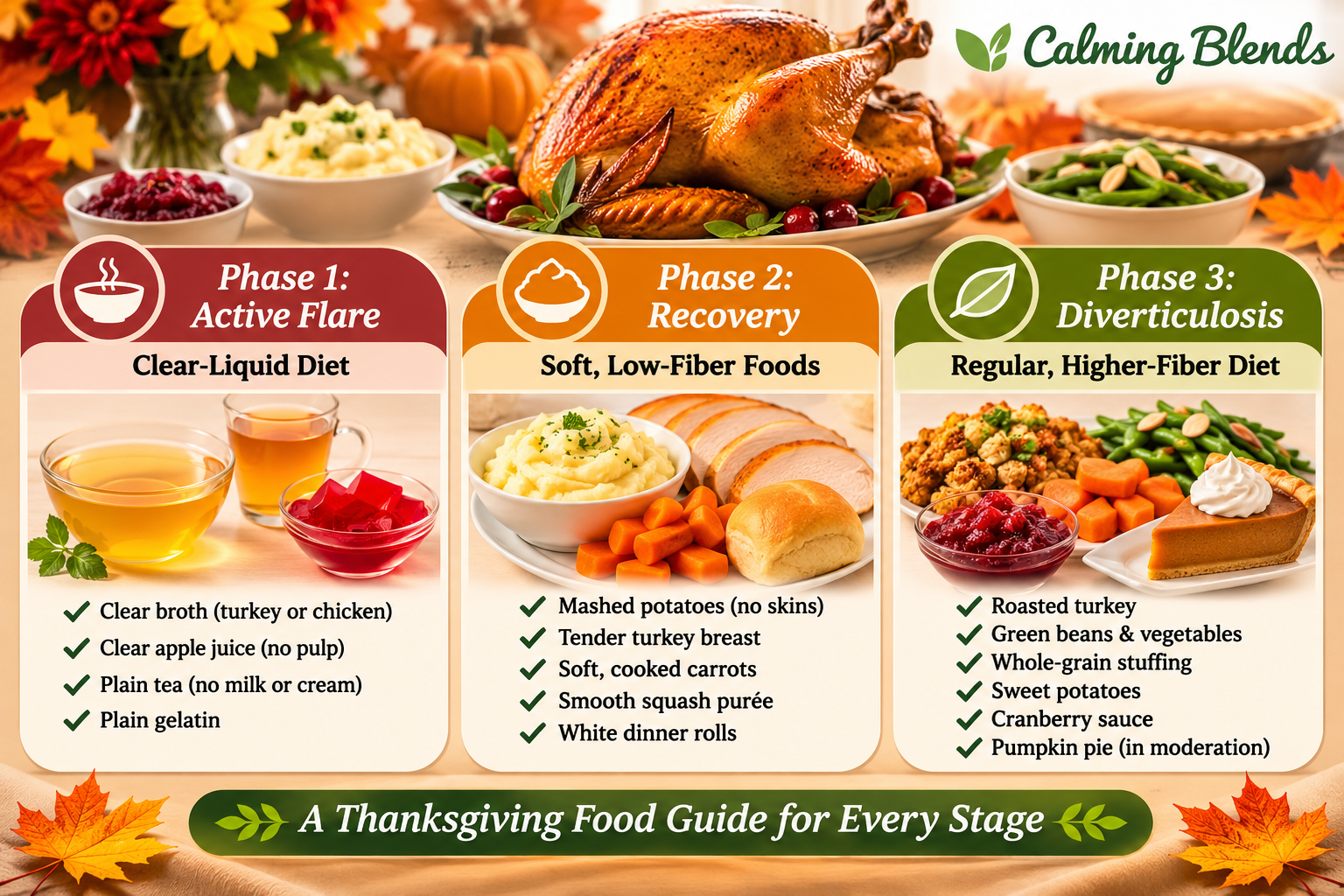
Stage 1: Active Diverticulitis Flare — The Clear-Liquid Diet
If you’re experiencing an active diverticulitis flare, Thanksgiving dinner may need to look very different from what you originally planned.
For some people with acute uncomplicated diverticulitis, healthcare providers recommend a short-term clear-liquid diet for comfort, followed by advancing the diet as symptoms improve.
The purpose isn’t to cure diverticulitis with liquids. Rather, this temporary approach can make eating and drinking more manageable while symptoms are being assessed and treated.
What Can You Have at Thanksgiving on a Clear-Liquid Diet?
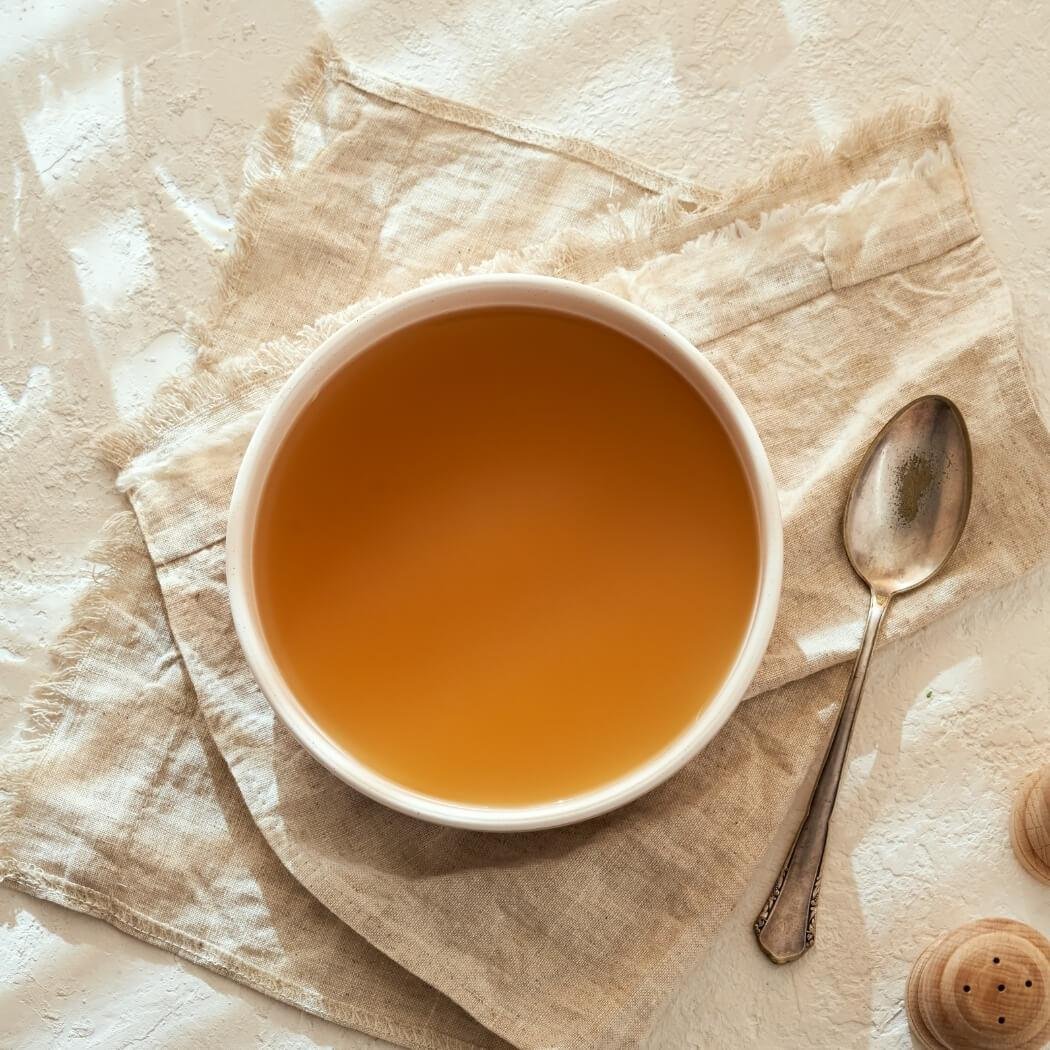
Clear Turkey or Chicken Broth
A strained, fat-skimmed broth without meat, vegetables, noodles, or other solids can provide a savory Thanksgiving flavor.
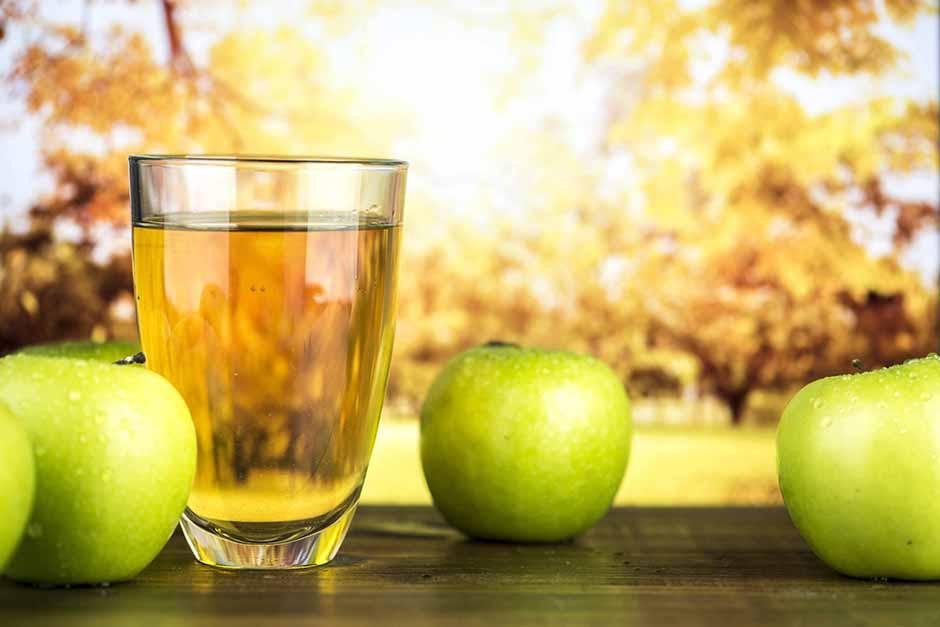
Clear Apple Juice
Pulp-free apple juice may be allowed on a clear-liquid diet, depending on your healthcare provider’s instructions.
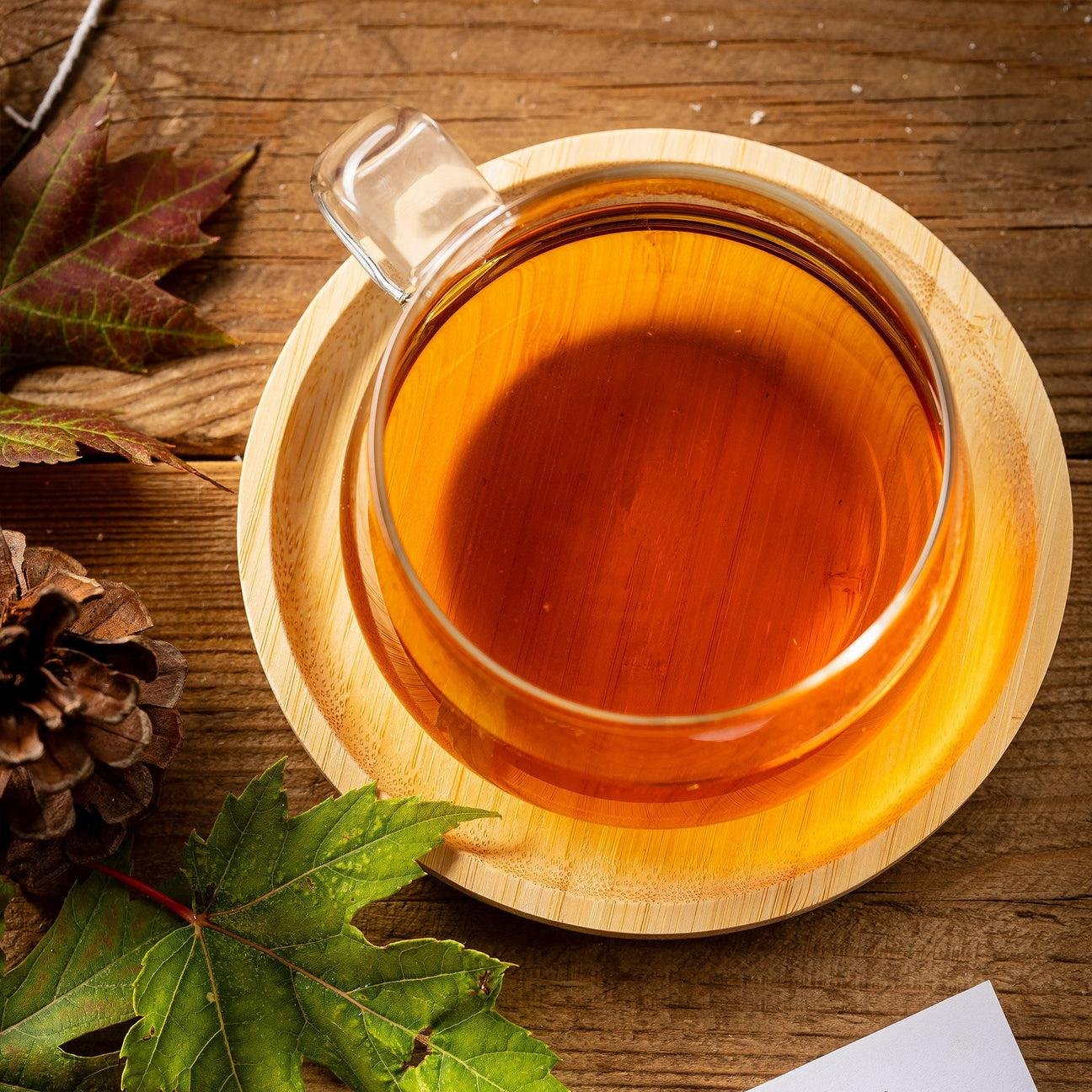
Plain Tea
Plain tea without milk or cream may fit a clear-liquid diet. Check with your clinician before using herbal blends during an acute illness.
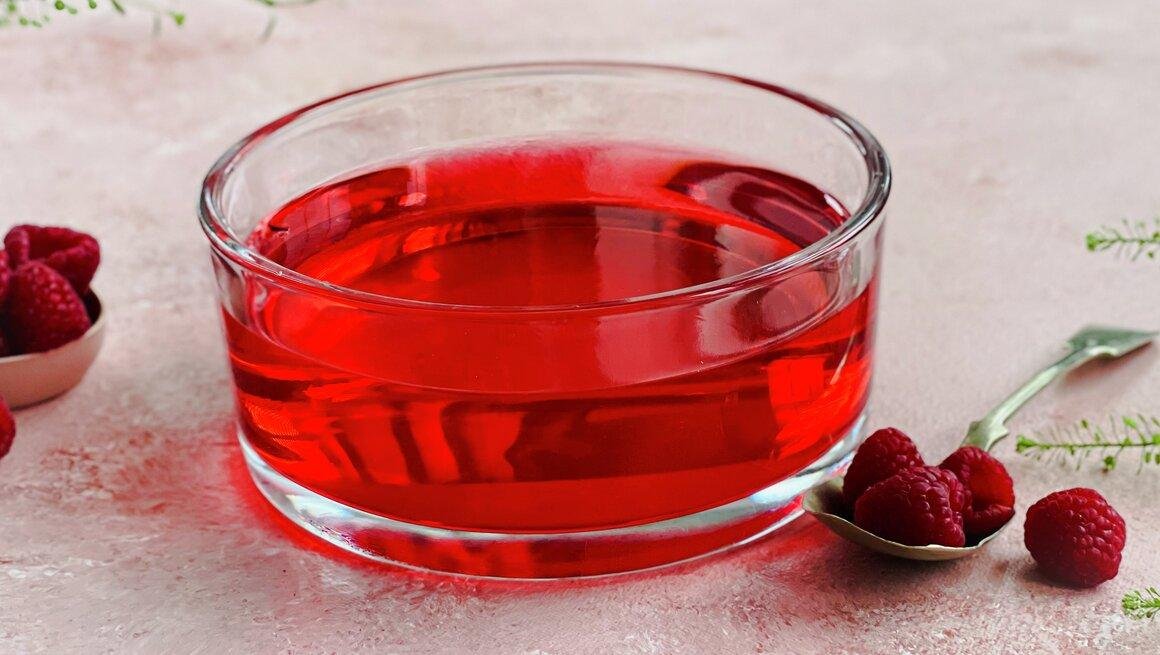
Plain Gelatin
Gelatin without fruit pieces or other solids can offer a simple dessert option if permitted.
Water and other approved clear beverages can also help maintain hydration.
What Thanksgiving Foods Should You Avoid During This Stage?
During the clear-liquid stage, traditional solid foods such as turkey, mashed potatoes, stuffing, vegetables, rolls, and pumpkin pie aren’t appropriate.
Even foods that seem soft, such as mashed potatoes or pudding, aren’t clear liquids.
Important: A clear-liquid diet is nutritionally incomplete and isn’t meant to continue indefinitely. The American Gastroenterological Association recommends reassessment if a person with acute uncomplicated diverticulitis cannot advance their diet after approximately three to five days.
If you’re experiencing significant abdominal pain, fever, vomiting, or worsening symptoms, seek medical evaluation rather than attempting to manage a suspected flare with diet alone.
Stage 2: Early Recovery — Soft, Low-Fiber Thanksgiving Foods
As inflammation and symptoms improve, your healthcare provider may recommend moving from clear liquids to a temporary low-fiber diet.
This is where Thanksgiving starts to feel a little more familiar.
A low-fiber diet limits the amount of indigestible plant material moving through the digestive tract. It is generally used temporarily during recovery, rather than as a permanent diet for diverticular disease.
The good news is that several Thanksgiving favorites can be prepared in ways that fit a soft, lower-fiber eating plan.
Thanksgiving Foods to Consider During Early Recovery
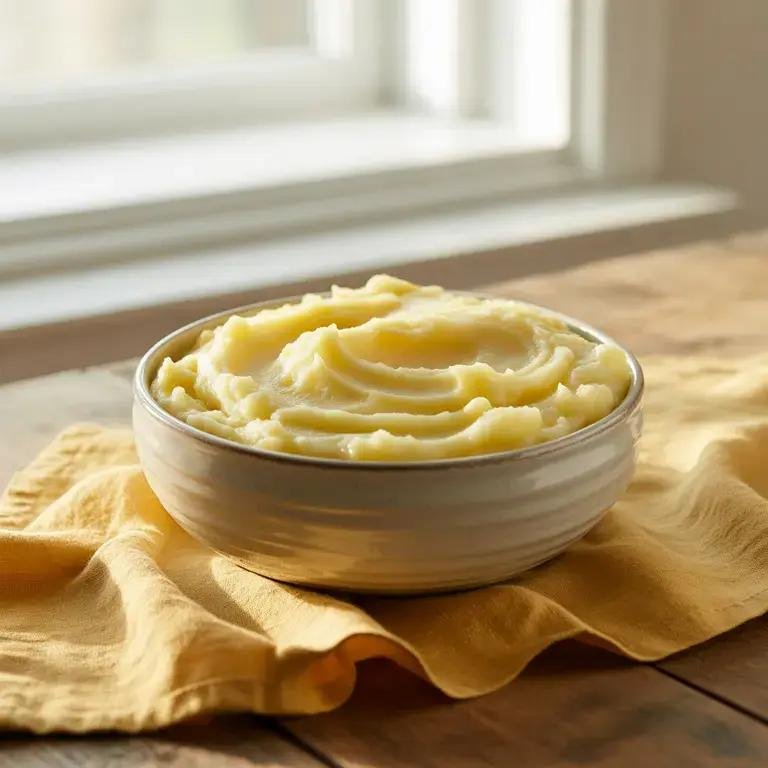
Mashed Potatoes
Smooth mashed potatoes without skins can be a comforting, lower-fiber Thanksgiving side dish. Keep added fat modest if rich foods cause discomfort.
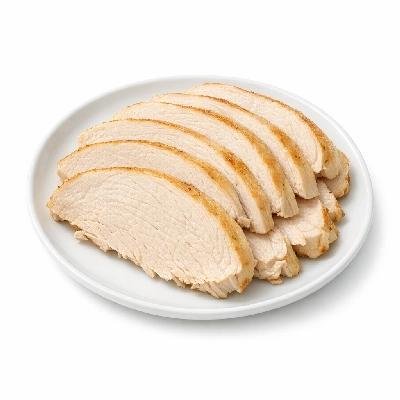
Tender Turkey Breast
Plain, moist, skinless turkey provides protein without dietary fiber. Choose tender pieces and avoid heavily fried or greasy preparations if they worsen symptoms.
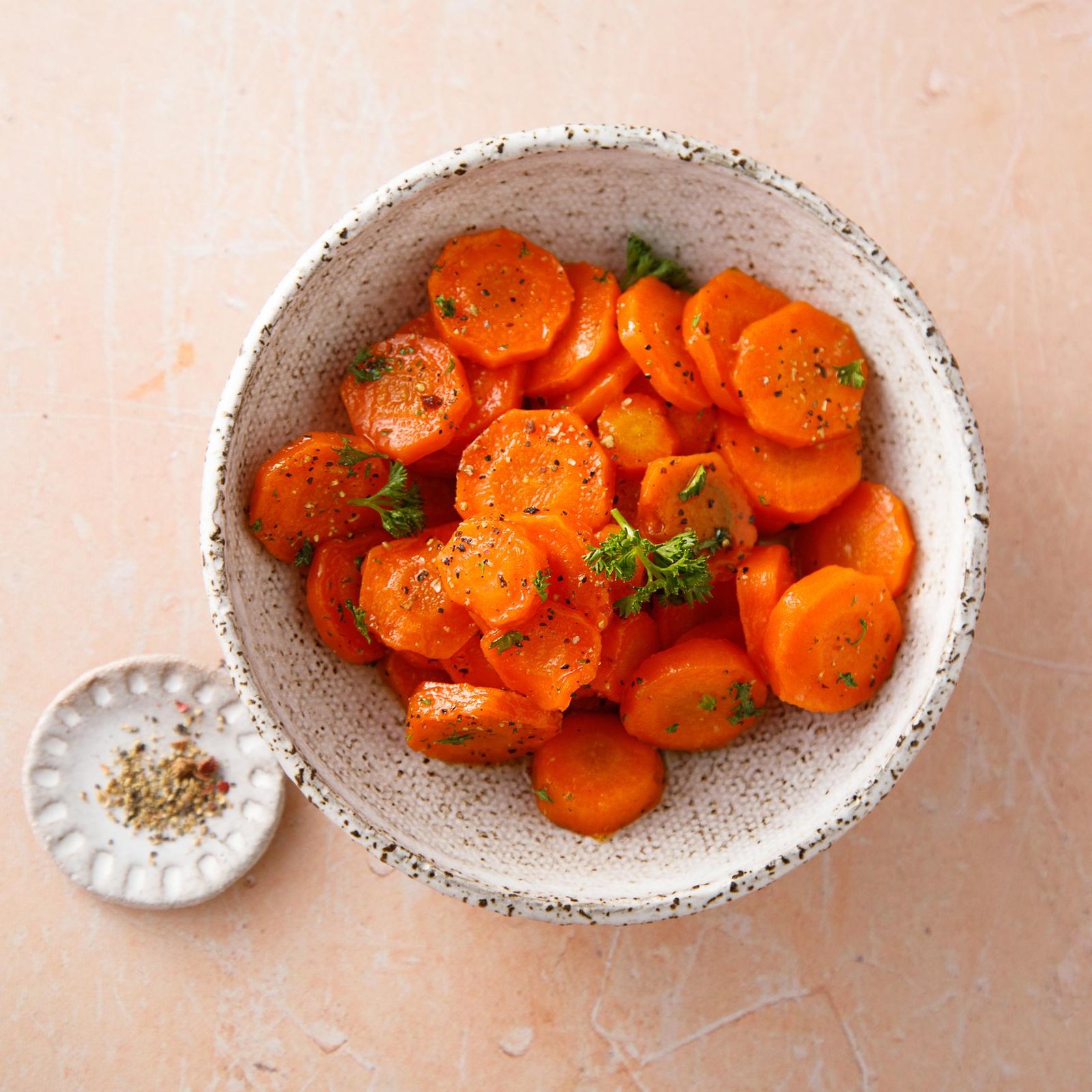
Soft Cooked Carrots
Peeled, thoroughly cooked carrots may be an option once low-fiber vegetables have been reintroduced.
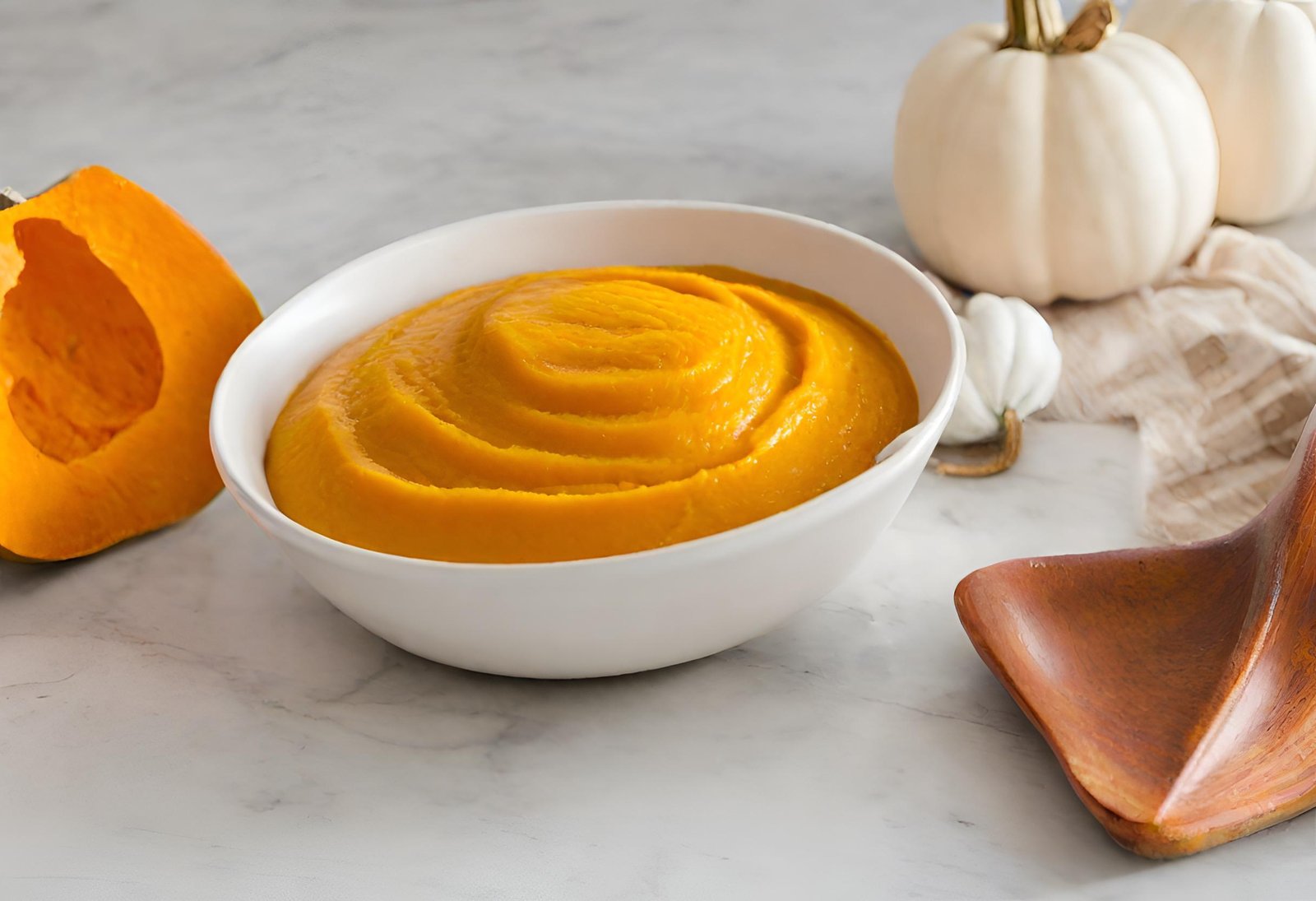
Smooth Squash Purée
Small portions of peeled, cooked, strained squash may fit some recovery diets, depending on your recommended fiber allowance.
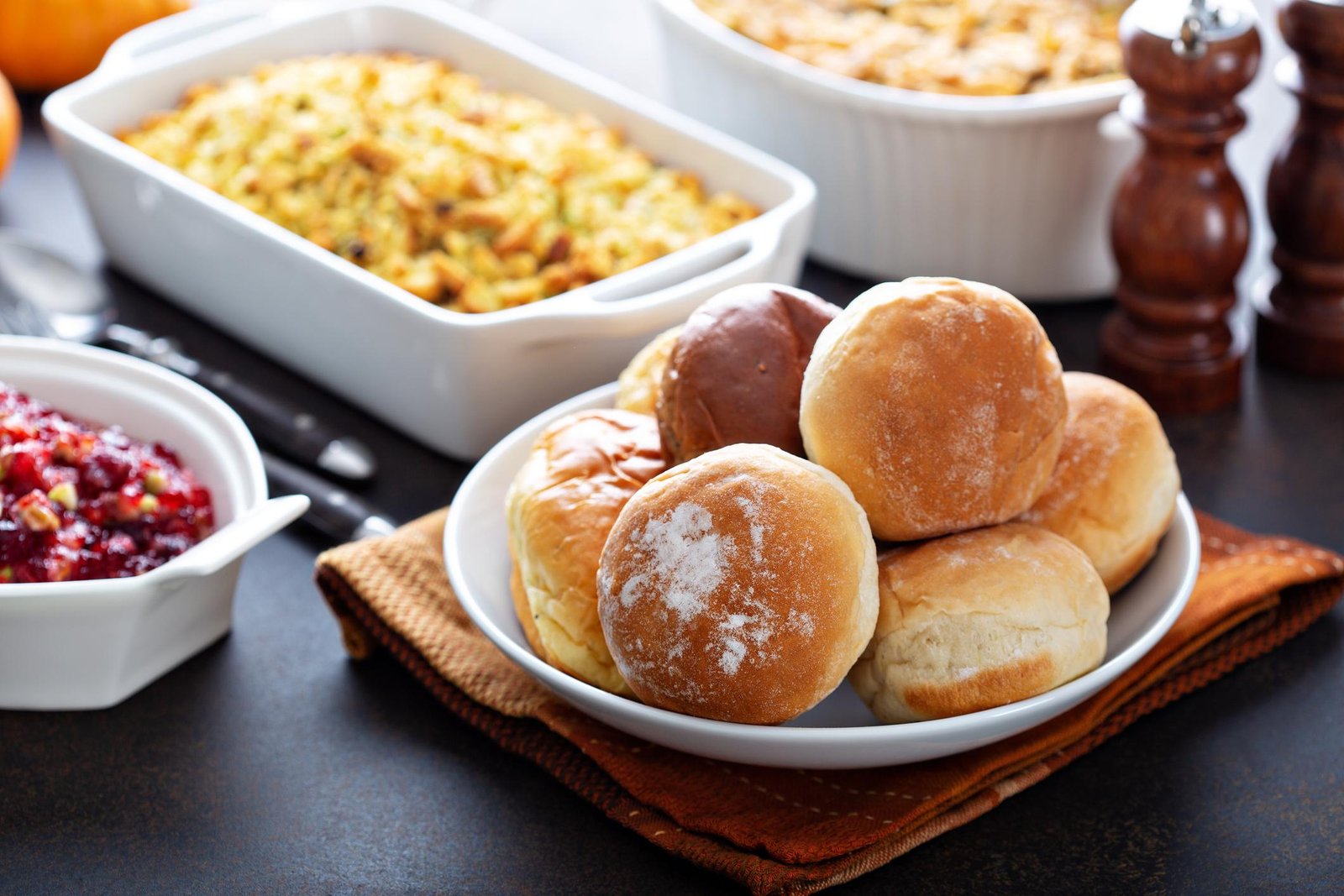
White Dinner Rolls
Plain white rolls made with refined flour may fit a low-fiber diet better than whole-grain or seeded bread.
Can You Have Thanksgiving Dessert During Recovery?
Possibly, depending on your recovery instructions.
Plain pudding or gelatin may be suitable options. A small serving of smooth pumpkin custard without a crust or seeds may be tolerated by some people once the diet has advanced, but pumpkin contains fiber, so portions and preparation matter.
Traditional pecan pie, desserts with nuts, whole-grain crusts, and fruit desserts with skins may be better saved for later.
Foods to Temporarily Limit During Early Recovery
Raw salads, whole-grain stuffing, beans, lentils, vegetable skins, nuts, seeds, and large portions of fibrous vegetables may not fit your prescribed low-fiber diet.
That doesn’t mean these foods are permanently bad for diverticulitis. Many can return to your menu as you recover.
Sample Recovery Plate: A small serving of tender turkey breast, smooth mashed potatoes without skins, and a little well-cooked carrot may be appropriate once your clinician has cleared you for these foods.
Stage 3: Later Recovery — Gradually Returning to Your Regular Diet
Once your abdominal pain has improved and you’ve been cleared to advance your diet, you may begin bringing back more familiar foods.
This stage is about variety and gradual changes rather than trying to eat as much fiber as possible all at once.
For example, you might start adding a small serving of cooked green beans, a little more squash, or a portion of cooked fruit.
Over time, you may work back toward whole grains, raw fruits and vegetables, legumes, nuts, and seeds.
If you’ve been eating very little fiber for several days, suddenly loading your Thanksgiving plate with large portions of high-fiber sides may cause bloating, gas, or discomfort.
A Later-Recovery Thanksgiving Plate
You might choose roasted turkey, mashed potatoes, a small serving of cooked green beans, a modest amount of stuffing, and a little cranberry sauce.
As your tolerance improves, you can gradually increase the variety and fiber content of your meals.
Remember that there’s no universal timetable for returning to a regular diet. Your recovery depends on your symptoms, the severity of the episode, any complications, and your healthcare provider’s recommendations.
If eating causes increasing pain or your symptoms return, contact your clinician rather than continuing to advance your diet.
Stage 4: Diverticulosis — Enjoying a Regular, Higher-Fiber Thanksgiving Dinner
Here’s where the Thanksgiving news gets much better.
If you have diverticulosis but aren’t experiencing active diverticulitis, you generally don’t need to follow the restrictive diets used during an acute flare.
In fact, a fiber-rich eating pattern is commonly recommended for people with diverticular disease.
According to the National Institute of Diabetes and Digestive and Kidney Diseases (NIDDK), eating more high-fiber foods and less red meat may help lower the risk of developing diverticulitis.
That means your Thanksgiving table can include a wide range of traditional foods.
Thanksgiving Foods You Can Generally Enjoy With Diverticulosis
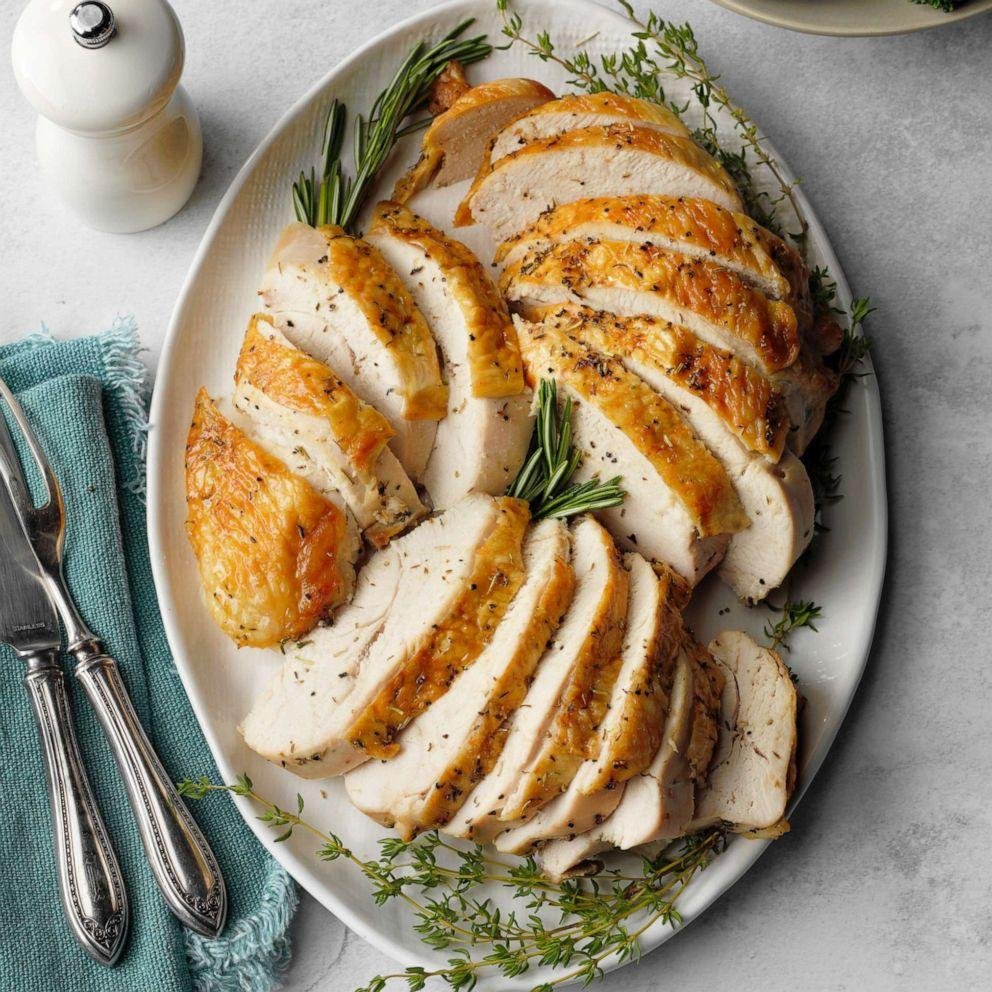
Roasted Turkey
Turkey is a traditional Thanksgiving protein and a good alternative to red meat. Enjoy it with your favorite vegetables and whole-grain sides.
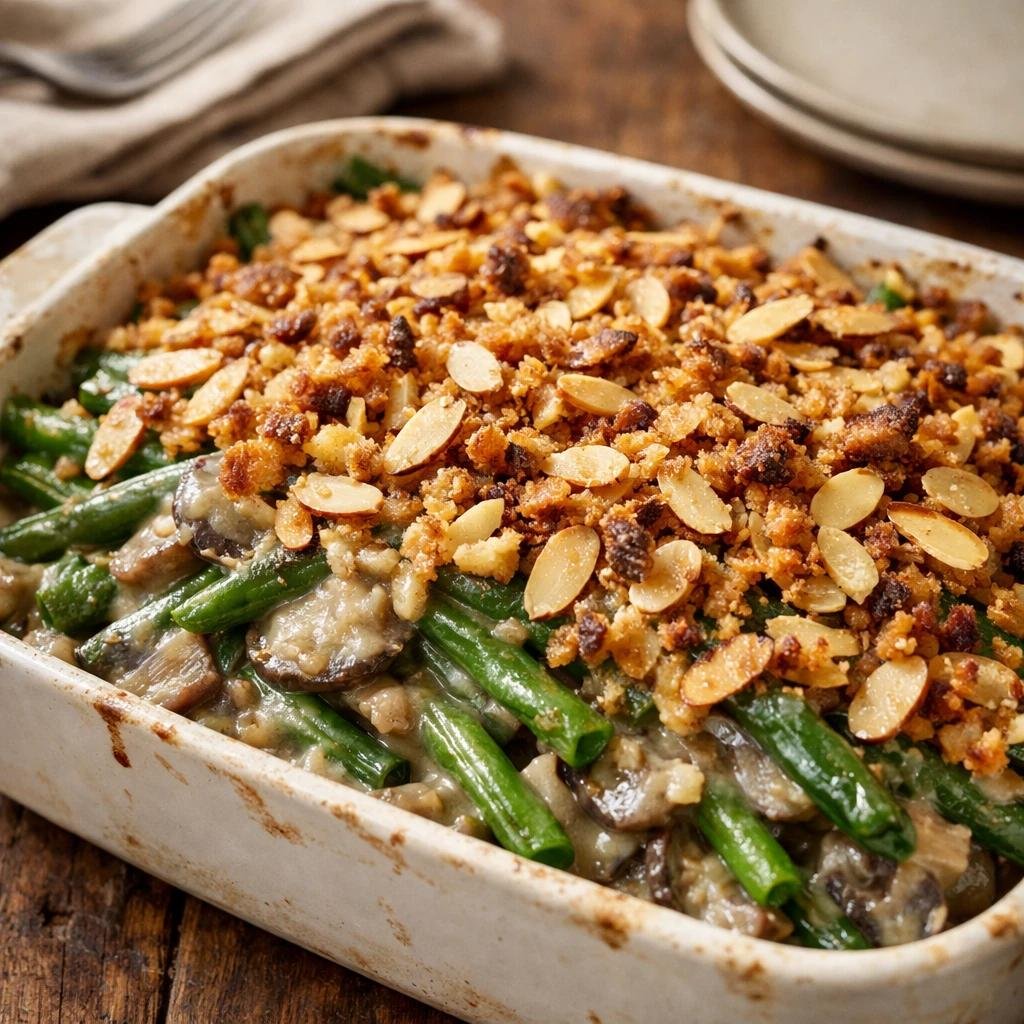
Green Beans and Vegetable Casseroles
Green beans and other vegetables provide dietary fiber and can be part of a balanced Thanksgiving meal.
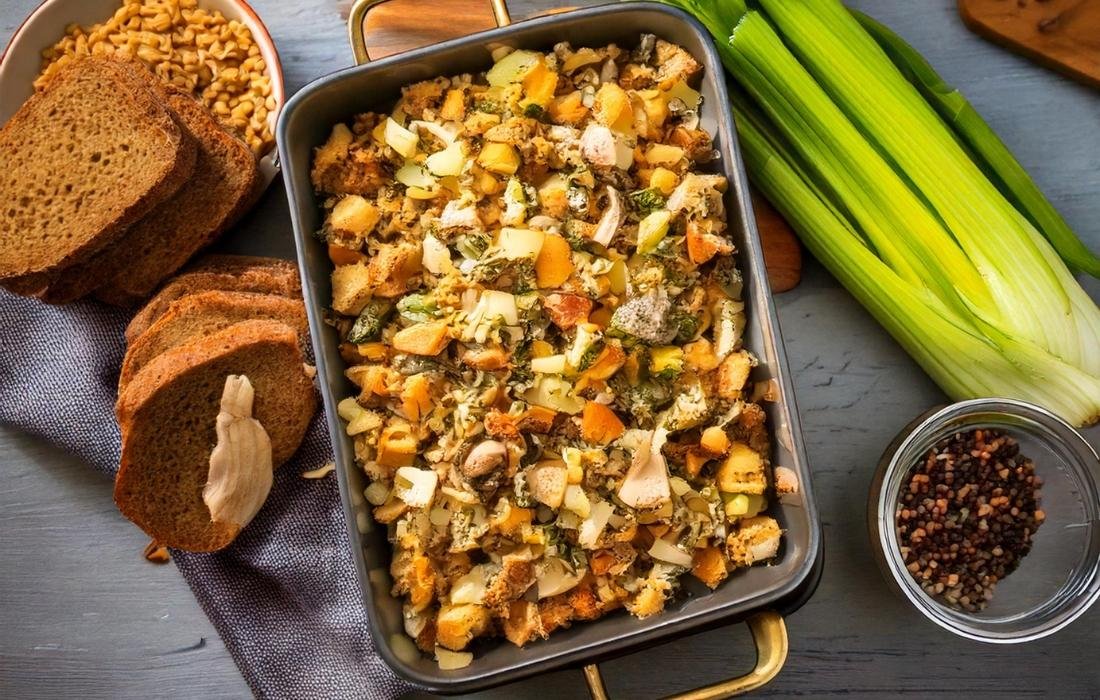
Whole-Grain Stuffing
Stuffing made with whole-grain bread, vegetables, and herbs adds fiber and flavor to your holiday plate.
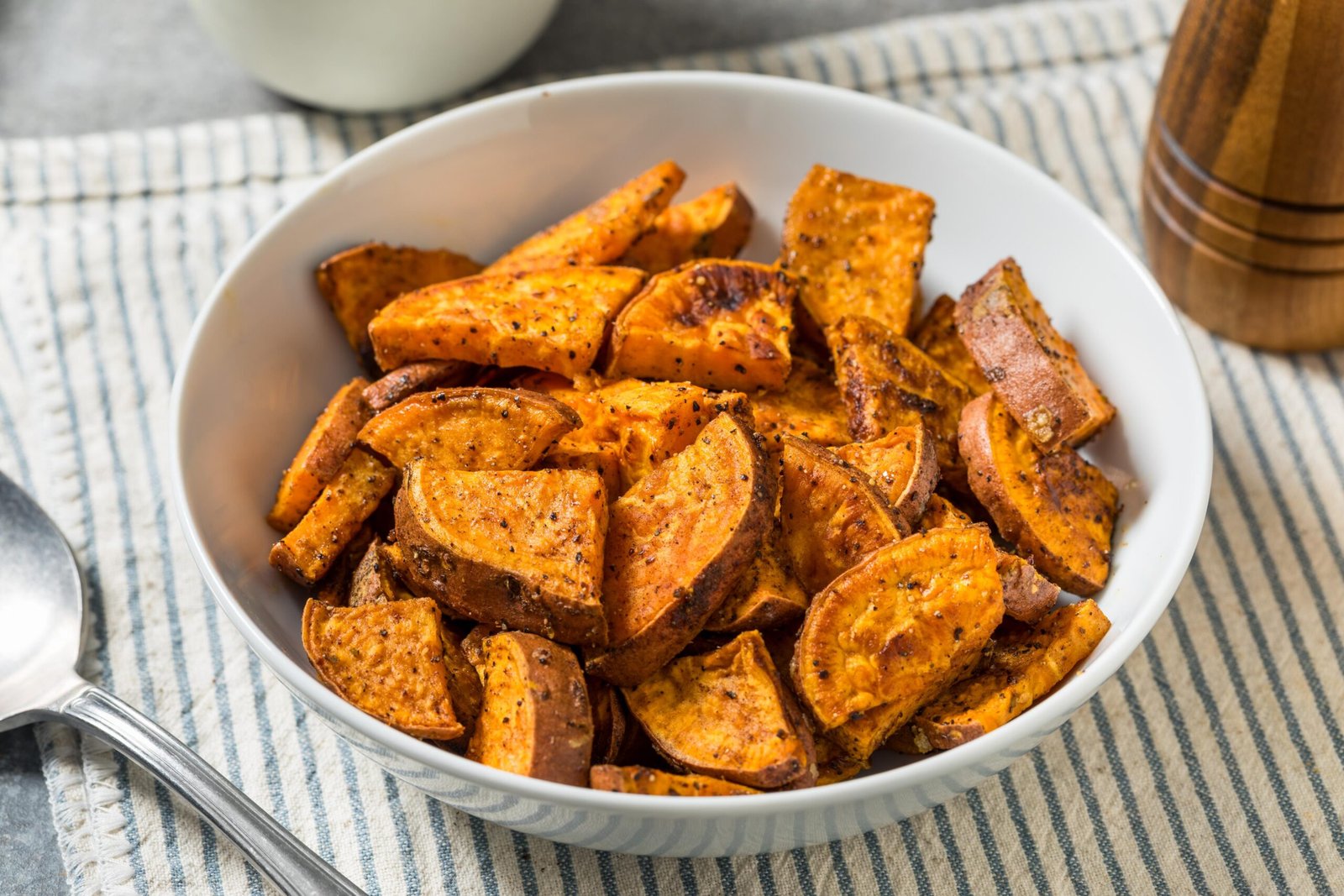
Sweet Potatoes
Sweet potatoes provide dietary fiber, especially when eaten with the skin, and make a delicious fall side dish.
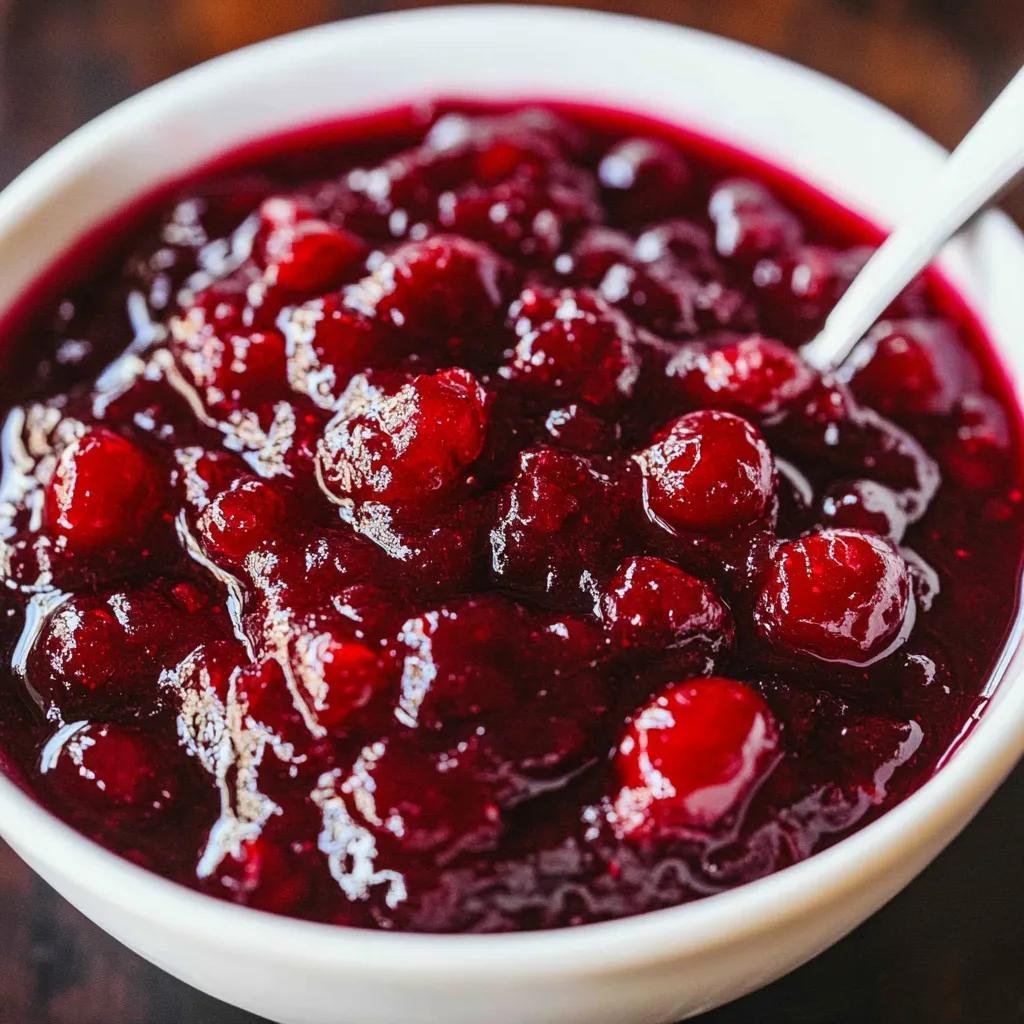
Cranberry Sauce
Cranberries contain fiber, although the amount depends on how the sauce is prepared. Enjoy sweetened versions in moderation.
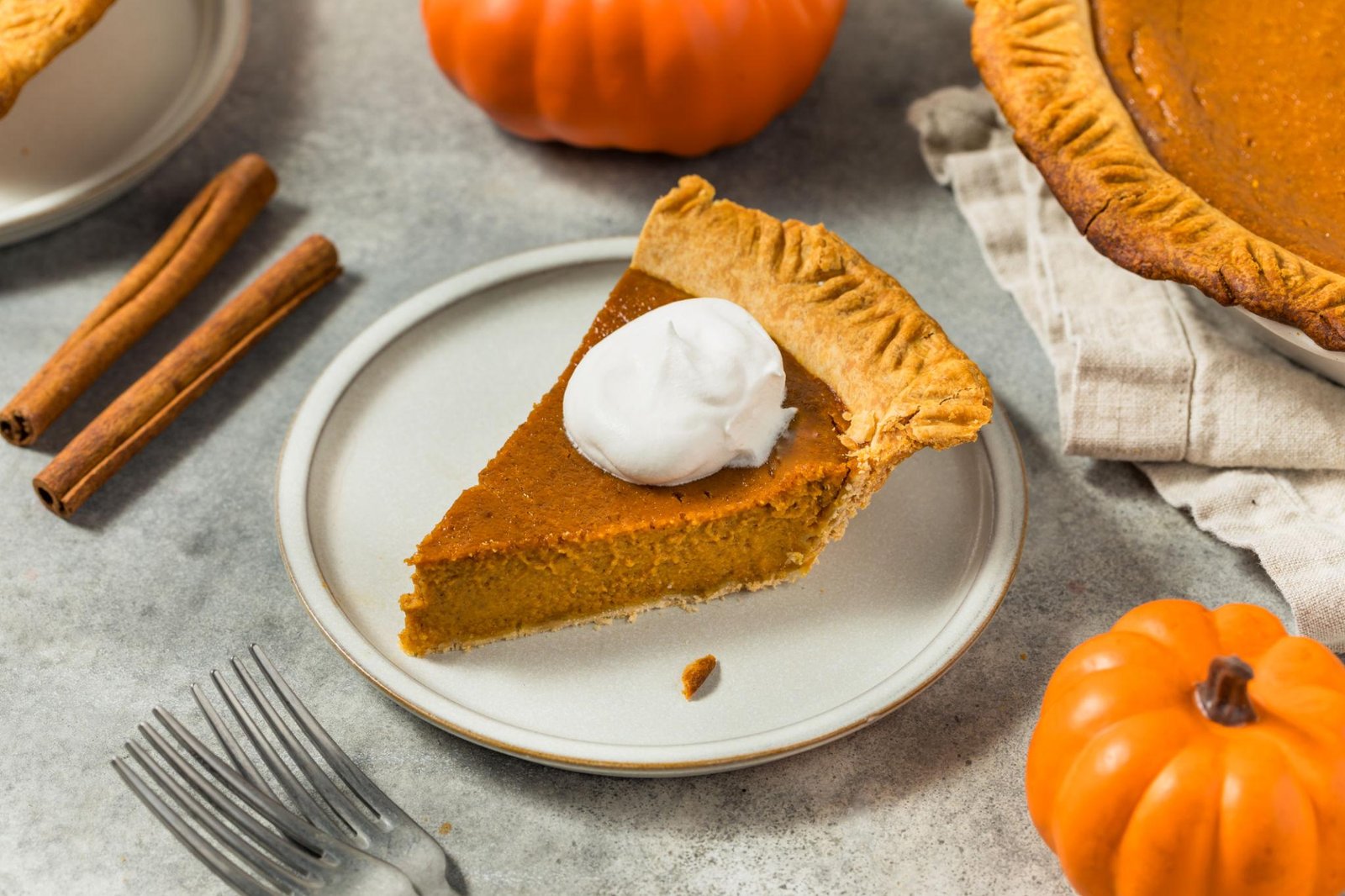
Pumpkin Pie
Having diverticulosis doesn’t mean you have to skip dessert. Pumpkin pie can be enjoyed as an occasional treat within a balanced diet.
What About Nuts, Seeds, Corn, and Popcorn?
This is one of the most common questions about diverticulosis.
Years ago, people were frequently told to avoid nuts, seeds, popcorn, and certain other foods because doctors worried that small particles might become trapped inside diverticula.
However, current research doesn’t support routinely avoiding these foods.
A large prospective study published in JAMA in 2008 found no increased risk of diverticulitis associated with eating nuts, corn, or popcorn. Modern clinical guidance likewise doesn’t recommend routinely excluding these foods solely because someone has diverticulosis.
So if you enjoy pecan pie, a salad topped with walnuts, or stuffing made with nuts, you generally don’t need to avoid them simply because you have diverticulosis.
Individual allergies, intolerances, and other medical conditions are separate considerations.
Thanksgiving Food Guide: What Fits Each Stage?
This table summarizes how familiar Thanksgiving foods may fit into different stages. It assumes that the foods are prepared appropriately and that your healthcare provider has approved your current diet.
| Thanksgiving Food | Clear Liquids | Low-Fiber Recovery | Diverticulosis |
|---|---|---|---|
| Clear strained turkey broth | Yes | Yes | Yes |
| Roasted turkey breast | No | Usually | Yes |
| Mashed potatoes without skins | No | Usually | Yes |
| Soft cooked carrots | No | Small portions | Yes |
| Green bean casserole | No | Depends | Yes |
| Traditional stuffing | No | Depends | Yes |
| Whole-grain stuffing | No | Limit initially | Yes |
| Cranberry sauce | No | Smooth, strained | Yes |
| Pumpkin pie | No | Depends | Yes |
| Pecan pie | No | Save for later | Yes |
| Raw salad | No | Limit initially | Yes |
| Nuts and seeds | No | Limit initially | Yes |
Note: Recovery diets are individualized. Some people may advance directly to regular foods as tolerated, while others require a more gradual approach.
7 Tips for Navigating Thanksgiving With Diverticular Disease
1. Know Your Current Stage
The most important question isn’t whether a particular food is labeled good or bad for diverticulitis. It’s whether that food fits your current stage of recovery. If you’re unsure, ask your healthcare provider before Thanksgiving.
2. Don’t Confuse Diverticulosis With an Active Flare
Having diverticulosis doesn’t automatically mean you need mashed potatoes without skins, white bread, or a restricted diet. Those modifications are generally intended for specific situations, such as recovery from acute diverticulitis.
3. Start With Smaller Portions
Thanksgiving meals often involve eating more food than usual. Large portions can leave anyone feeling uncomfortable, especially if they’ve recently experienced digestive symptoms.
4. Don’t Suddenly Increase Your Fiber Intake
Fiber can be an important part of long-term digestive health, but increasing it too quickly may cause bloating and gas. If you’re returning to a higher-fiber diet after recovery, increase your intake gradually.
5. Stay Hydrated
Drinking adequate fluids is important when eating a fiber-rich diet. Keep water available throughout the day and follow any fluid restrictions recommended for other medical conditions.
6. Be Mindful of Rich Foods
Fatty, fried, spicy, or very rich foods may worsen digestive discomfort for some individuals. They aren’t universally prohibited for diverticulosis, but it’s reasonable to pay attention to your own tolerance.
7. Don’t Feel Pressured to Eat Everything
If you’re recovering from diverticulitis, it’s perfectly reasonable to bring your own food or explain that you’re following a temporary medical diet. Thanksgiving is about spending time together, not how much food is on your plate.
Can Herbal Tea Be Part of Thanksgiving?
A warm cup of tea can be a comforting addition to a Thanksgiving gathering.
For someone with diverticulosis who is eating normally, tea can be part of their usual beverage choices.
During a clear-liquid diet, plain tea without milk or cream may be allowed, depending on the instructions from your healthcare provider.
However, herbal teas and supplements shouldn’t be used to treat an acute diverticulitis flare or replace prescribed medical care. Herbs may interact with medications or be unsuitable for certain medical conditions.
At Calming Blends, we believe in approaching digestive wellness with practical food choices, thoughtful daily routines, and an understanding of your body’s individual needs.
Whether you’re enjoying a warm beverage after Thanksgiving dinner or preparing a simple meal during recovery, the priority is making choices appropriate for your current health.
Frequently Asked Questions
Can I Eat Turkey if I Have Diverticulitis?
During a clear-liquid diet, no. Once your healthcare provider allows solid foods, tender, skinless turkey may be an option. If you have diverticulosis without an active flare, turkey can generally be enjoyed as part of a regular diet.
Can I Eat Mashed Potatoes During a Diverticulitis Flare?
Not during the clear-liquid stage. Smooth mashed potatoes without skins may be appropriate once you’ve been cleared for low-fiber solid foods.
Is Stuffing Bad for Diverticulosis?
Not necessarily. People with diverticulosis can generally enjoy stuffing, including versions made with whole-grain bread, vegetables, or nuts, provided they tolerate the ingredients.
Can I Eat Pumpkin Pie With Diverticulosis?
Yes. Pumpkin pie isn’t automatically off-limits because you have diverticulosis. Enjoying an occasional dessert can fit into a balanced eating pattern.
Should I Avoid Seeds and Nuts at Thanksgiving?
Not simply because you have diverticulosis. Current research doesn’t support routinely avoiding nuts and seeds to prevent diverticulitis. During a temporary low-fiber recovery diet, however, they may need to be limited.
What if I Start Experiencing Diverticulitis Symptoms on Thanksgiving?
If you develop new or worsening abdominal pain, fever, vomiting, or other symptoms suggestive of diverticulitis, seek medical evaluation. Severe abdominal pain, an inability to keep fluids down, or signs of serious illness warrant urgent medical attention.
Don’t assume you can manage a suspected acute episode by switching to liquids without medical guidance.
The Bottom Line: Enjoy Thanksgiving Based on the Stage You’re In
Thanksgiving doesn’t have to be an all-or-nothing holiday when you’re living with diverticulitis or diverticulosis.
If you’re experiencing an active diverticulitis flare, your healthcare provider may recommend clear liquids for a short period.
As you recover, soft, lower-fiber foods such as mashed potatoes, tender turkey, and cooked vegetables may gradually return to your plate.
And if you’re living with diverticulosis without active inflammation, you can generally enjoy a traditional Thanksgiving dinner, including fiber-rich vegetables, whole grains, fruits, nuts, and seeds.
The key is understanding that the diet recommended during a diverticulitis flare is different from the eating pattern generally recommended for long-term diverticular health.
Listen to your body, follow your healthcare provider’s advice, and remember that enjoying Thanksgiving doesn’t require eating every dish on the table.
From all of us at Calming Blends, we wish you a happy, peaceful, and healthy Thanksgiving.
Medical Disclaimer: This article is for educational purposes only and is not intended to diagnose, treat, cure, or prevent any disease. Dietary recommendations for diverticulitis vary depending on symptom severity, complications, and individual medical circumstances. Always follow the advice of your healthcare provider. Seek prompt medical attention for suspected diverticulitis, especially with significant abdominal pain, fever, vomiting, or worsening symptoms.
References
- National Institute of Diabetes and Digestive and Kidney Diseases (NIDDK). Eating, Diet, & Nutrition for Diverticular Disease.
Read source. - National Institute of Diabetes and Digestive and Kidney Diseases (NIDDK). Treatment for Diverticular Disease.
Read source. - Peery, A. F., Shaukat, A., & Strate, L. L. (2021). AGA Clinical Practice Update on Medical Management of Colonic Diverticulitis: Expert Review. Gastroenterology, 160(3), 906–911.e1.
Read study. - Mayo Clinic Staff. Diverticulitis Diet.
Read source. - Strate, L. L., Liu, Y. L., Syngal, S., Aldoori, W. H., & Giovannucci, E. L. (2008). Nut, Corn, and Popcorn Consumption and the Incidence of Diverticular Disease. JAMA, 300(8), 907–914.
Read study. - Strate, L. L., & Morris, A. M. (2019). Epidemiology, Pathophysiology, and Treatment of Diverticulitis. Gastroenterology, 156(5), 1282–1298.e1.
Read study. - American Gastroenterological Association. Medical Management of Colonic Diverticulitis.
Read clinical guidance.