Making Diverticulitis-Friendly Soup: Ingredients & Tips for Comfort and Healing
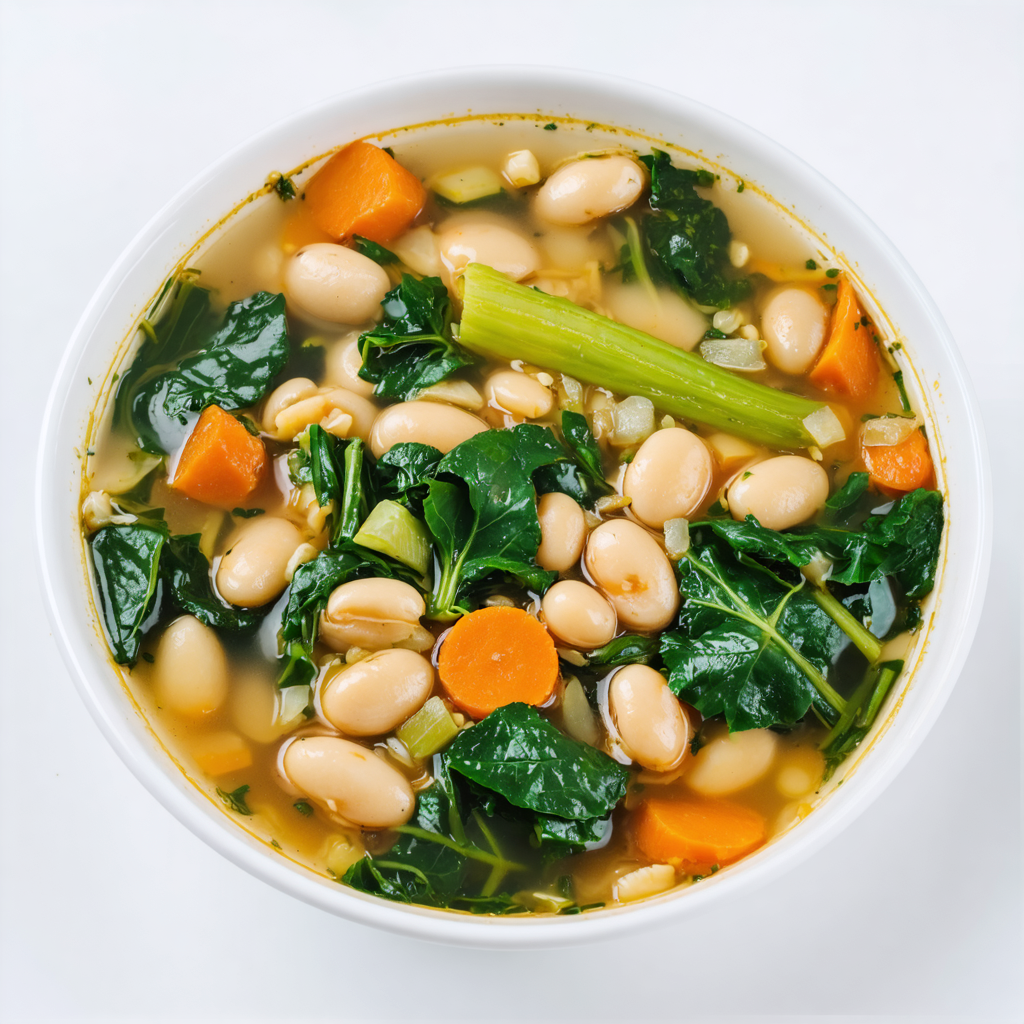
Making Diverticulitis-Friendly Soup: Ingredients & Tips for Comfort and Healing
If you’re dealing with diverticulitis, you know how important it is to give your digestive system a break while still getting the nourishment your body needs. Soup can be one of the best foods during a flare-up and recovery — it’s warm, soothing, and easy to digest when made with the right ingredients.
In this guide, we’ll break down the building blocks for creating a diverticulitis-friendly soup that’s gentle on the stomach but still flavorful and satisfying.
Why Soup Is Helpful for Diverticulitis
When your digestive tract is inflamed, high-fiber and hard-to-digest foods can aggravate symptoms. Soup allows you to control the texture, fiber level, and seasoning, making it easy to tailor for each stage of recovery — from clear liquids to soft foods and maintenance.
(Reference: Mayo Clinic – Diverticulitis Diet)
Understanding the Dietary Needs for Diverticulitis
During Flare-Ups
-
Focus on low-fiber, easy-to-digest liquids like broths and strained soups.
-
Skip raw vegetables, seeds, skins, and spicy or greasy ingredients.
Related Resource: Diverticulitis Diet Guide on Calming Blends.
During Recovery
-
Gradually reintroduce soft, well-cooked vegetables, lean proteins, and mild seasonings.
-
Keep fiber moderate and avoid anything too coarse.
Maintenance Phase
-
Include a variety of nutrient-rich ingredients for overall gut health.
-
Moderate fiber is fine once symptoms have fully resolved.
(Reference: National Institute of Diabetes and Digestive and Kidney Diseases)
The 5 Building Blocks of a Diverticulitis-Friendly Soup
1. The Base (Broth or Stock)
-
Choose clear, low-fat chicken, turkey, vegetable, or bone broth.
-
Avoid creamy or heavy-fat bases during flare-ups.
-
Benefits: Hydration, electrolytes, gentle flavor.
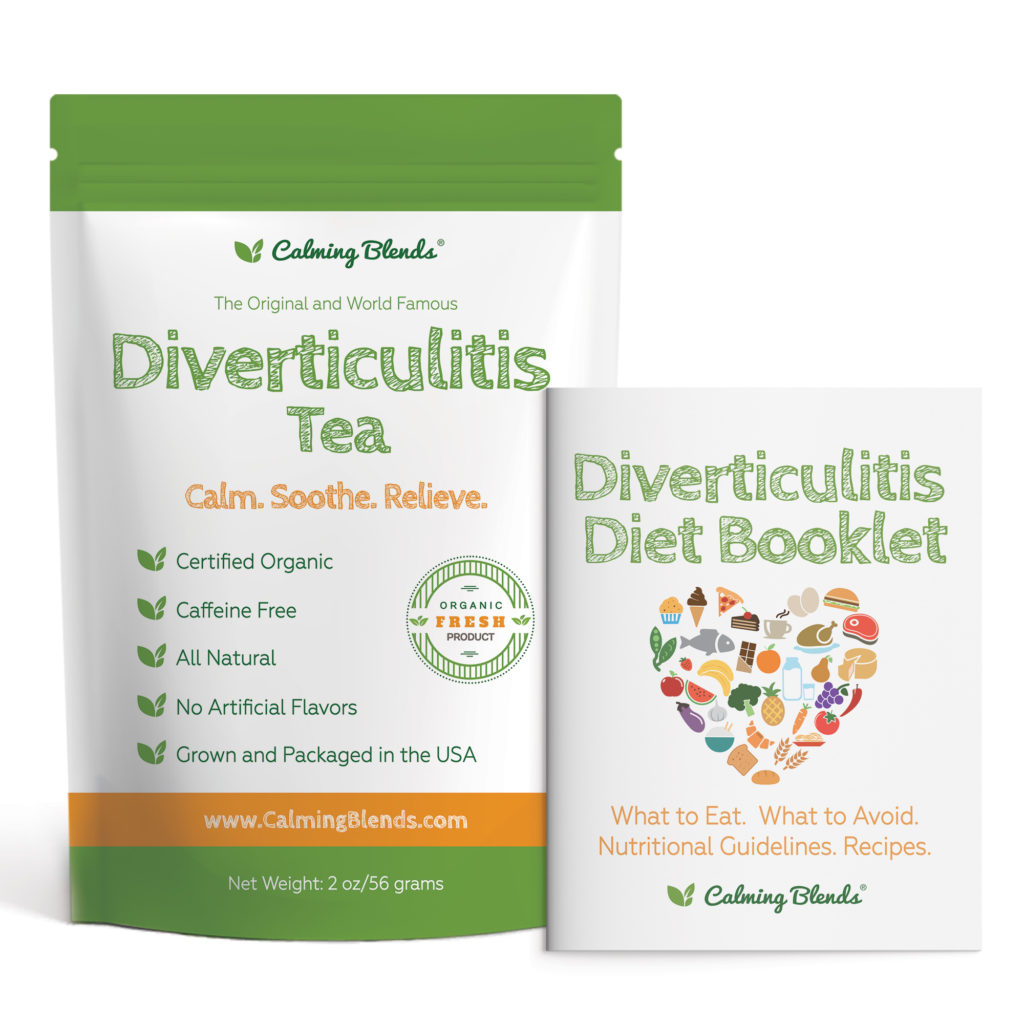
Shop Tip: Calming Blends offers Diverticulitis Tea — a gentle, soothing drink you can enjoy alongside your soup.
2. Protein Choices
-
Go for lean, easily digestible proteins: shredded chicken, turkey, white fish, or soft tofu.
-
In liquid stages, protein can come from bone broth or strained soups.
-
Shred or puree meats for easier digestion.
3. Vegetables
-
Flare-up: Skip fibrous or seeded vegetables.
-
Recovery: Try peeled, soft-cooked carrots, zucchini, yellow squash, or potatoes.
-
Always remove skins and seeds during sensitive stages.
(Reference: Cleveland Clinic – Diverticulitis Diet)
4. Carbohydrate Add-Ins
-
Gentle carbs include white rice, small pasta, or peeled potatoes.
-
Avoid whole grains and high-fiber beans during flare-ups.
-
These add energy without irritating the gut.
5. Flavor & Seasoning
-
Use mild herbs like parsley, thyme, or basil.
-
Avoid strong spices, black pepper, or vinegar in early stages.
-
Low-sodium broths can help prevent bloating.
Cooking Methods for Easy Digestion
-
Simmer ingredients until very soft.
-
Strain for liquid-only diets.
-
Puree for a smooth texture during early recovery.
Example Diverticulitis Soup Combinations
Clear Liquid Stage:
-
Chicken broth + strained carrot water + pinch of salt.
Soft Food Stage:
-
Broth + shredded chicken + diced peeled carrots + white rice.
Maintenance Stage:
-
Vegetable broth + zucchini + spinach (pureed) + chicken.
Tips for Storing and Reheating Soup
-
Store in single-serving containers for convenience.
-
Avoid reheating multiple times to preserve freshness.
-
Freeze portions for quick meals during flare-ups.
Final Thoughts
A well-crafted soup can provide comfort, nutrition, and hydration during diverticulitis recovery. By focusing on gentle broths, lean proteins, soft vegetables, and mild seasonings, you can create a meal that’s both healing and satisfying.
For more digestive-friendly recipes, visit the Calming Blends Blog or explore our Diverticulitis Tea, designed to complement your recovery diet.
 Download the Diverticulitis Soup Ingredient Cheat Sheet” PDF
Calming Blends health’s content is for informational and educational purposes only. Our website is not intended to be a substitute for professional medical advice, diagnosis, or treatment.