How Long Does Diverticulitis Last? Recovery Time, Symptoms, and Tips for Healing
How Long Does Diverticulitis Last? Recovery Time, Symptoms, and Tips for Healing
Diverticulitis can be painful, uncomfortable, and sometimes frightening—especially if you’re experiencing it for the first time. One of the most common questions people ask after being diagnosed is: How long does diverticulitis last?
The answer depends on several factors, including the severity of the flare-up, how quickly treatment begins, and your overall gut health. In many cases, symptoms improve within a few days, but full recovery can take longer.
In this article, we’ll explain how long diverticulitis typically lasts, what affects recovery time, and what you can do to help your digestive system heal.
What Is Diverticulitis?
Diverticulitis occurs when small pouches in the digestive tract—called diverticula—become inflamed or infected. These pouches most commonly form in the large intestine (colon).
Many people have diverticula without knowing it, a condition called diverticulosis. However, when those pouches become irritated or infected, it leads to diverticulitis, which can cause symptoms such as:
- Lower abdominal pain (often on the left side)
- Fever
- Bloating
- Nausea
- Changes in bowel habits
- Constipation or diarrhea
Diverticulitis can range from mild inflammation to more serious infections, which is why recovery time can vary.
How Long Does a Diverticulitis Episode Last?
For most people, a diverticulitis flare-up improves within a few days to a couple of weeks.
Typical recovery timelines include:
Mild cases
Symptoms often improve within 3–7 days with rest, dietary changes, and sometimes antibiotics.
Moderate cases
Recovery may take 7–14 days, especially if inflammation is more significant.
Severe cases
If hospitalization or complications occur, recovery can take 2–4 weeks or longer.
Many people begin to feel relief from pain and inflammation within two to three days after starting treatment.
The Stages of Diverticulitis Recovery
Healing from diverticulitis often happens in stages as inflammation in the colon gradually decreases.
Early Stage (First 2–3 Days)
During the first few days of a flare-up, symptoms are typically the most intense. You may experience:
- Sharp abdominal pain
- Fever
- Digestive discomfort
- Nausea or bloating
Doctors may recommend a clear liquid diet during this stage to allow the colon to rest.
Healing Stage (Days 4–7)
As inflammation begins to decrease, symptoms slowly improve.
During this phase:
- Pain begins to lessen
- Fever subsides
- Digestion gradually normalizes
Soft foods may be introduced as your digestive system stabilizes.
Recovery Stage (1–2 Weeks)
Most people begin to feel significantly better during this stage.
At this point:
- Abdominal pain is mostly gone
- Appetite returns
- Energy levels improve
Gradually reintroducing fiber into the diet is often recommended to support healthy digestion.
Factors That Affect How Long Diverticulitis Lasts
While many flare-ups resolve quickly, several factors can influence recovery time.
Severity of the Inflammation
Mild inflammation heals much faster than severe infections or complications such as abscesses.
Early Treatment
Starting treatment early can significantly reduce recovery time and prevent complications.
Diet During Recovery
Eating foods that are gentle on the digestive system during a flare-up can help the colon heal more quickly.
Gut Microbiome Health
A healthy gut microbiome supports digestion and immune function, which may help the body recover faster.
Age and Overall Health
People with stronger immune systems and fewer underlying health conditions often recover more quickly.
Signs Your Diverticulitis Is Improving
As the inflammation begins to heal, you may notice several positive changes.
Common signs of improvement include:
- Reduced abdominal pain
- Decreased bloating
- Fever subsiding
- Return of normal bowel movements
- Improved appetite
If symptoms steadily improve over several days, it is usually a sign that recovery is progressing normally.
When Diverticulitis May Take Longer to Heal
In some cases, symptoms may persist longer than expected.
You should contact a healthcare professional if you experience:
- Severe or worsening abdominal pain
- Fever that does not improve
- Persistent nausea or vomiting
- Blood in the stool
- Symptoms lasting longer than 7–10 days
These symptoms could indicate complications that require medical attention.
How to Support Diverticulitis Recovery
While medical treatment is important, certain lifestyle and dietary habits may support digestive healing.
Follow a Gentle Diet During Flare-Ups
Doctors often recommend starting with clear liquids or low-fiber foods during the early stages of diverticulitis to reduce strain on the colon.
Gradually Reintroduce Fiber
Once symptoms improve, increasing dietary fiber can help maintain healthy digestion and reduce future flare-ups.
Fiber helps keep stool soft and supports regular bowel movements.
Stay Hydrated
Proper hydration is essential for digestive health and can help prevent constipation, which may aggravate diverticula.
Support Digestive Health
Many people also explore herbal teas and natural digestive-support blends as part of their wellness routine.
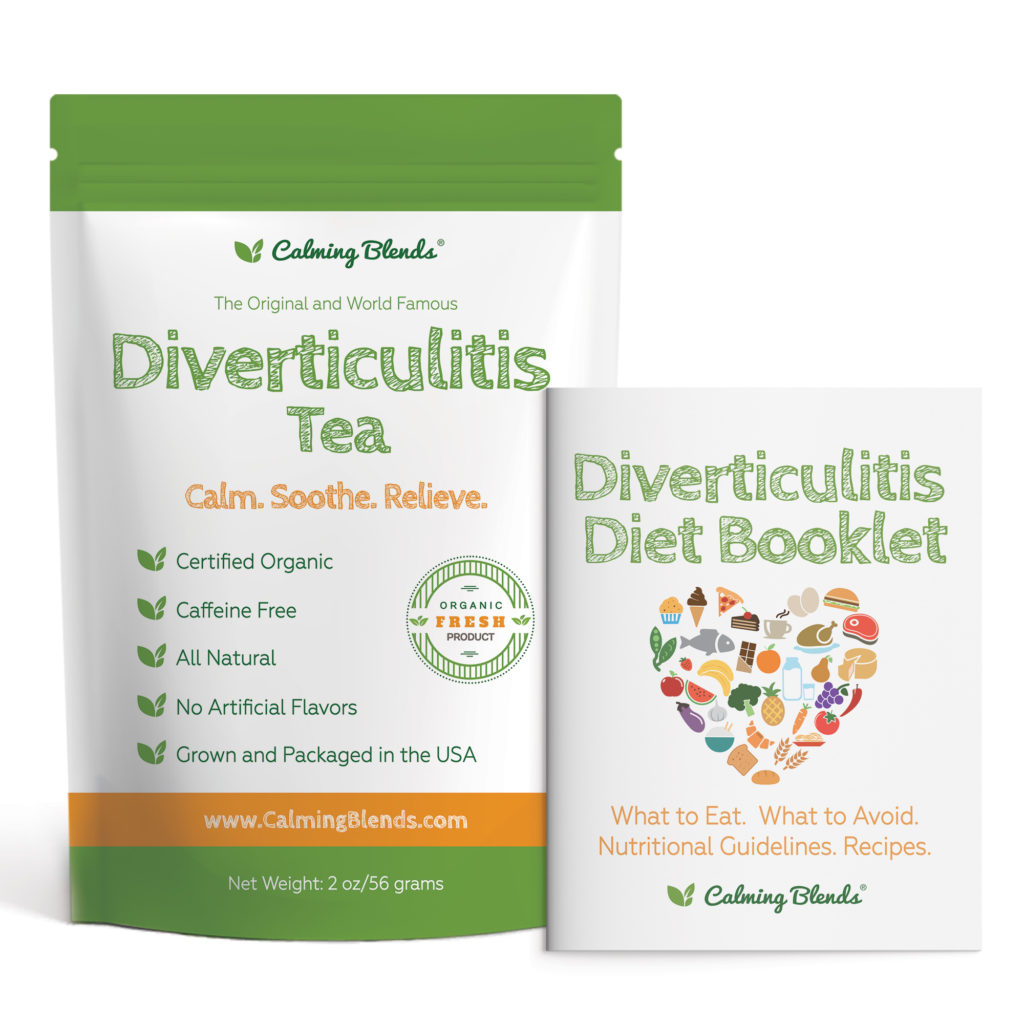
For example, Calming Blends, makers of the Diverticulitis Tea, created their blend with herbs traditionally used to support digestive comfort and gut wellness. Many individuals incorporate herbal teas as part of their daily hydration while focusing on long-term digestive health.
Can Diverticulitis Come Back?
Yes, diverticulitis can return in some people. Recurring flare-ups are not uncommon, particularly if underlying digestive issues remain.
However, many people reduce their risk by focusing on long-term gut health through:
- A fiber-rich diet
- Regular hydration
- Physical activity
- Maintaining a healthy weight
- Supporting digestive balance
Lifestyle choices can play an important role in preventing future flare-ups.
Final Thoughts
For most people, diverticulitis episodes improve within 3–7 days, with full recovery often occurring within one to two weeks. More severe cases may take longer, especially if complications develop.
Early treatment, proper diet, and supporting digestive health can all help speed recovery and reduce the likelihood of future flare-ups.
If symptoms persist or worsen, it’s important to consult a healthcare professional to ensure proper care and treatment.
Understanding how diverticulitis progresses can help you take the right steps toward healing and maintaining long-term digestive health.
References
- National Institute of Diabetes and Digestive and Kidney Diseases (NIDDK). Diverticular Disease.
- Mayo Clinic. Diverticulitis – Symptoms and Causes.
- Cleveland Clinic. Diverticulitis: Symptoms, Causes & Treatment.
- American Gastroenterological Association. Medical Management of Diverticulitis.
- Harvard Health Publishing. Diverticular Disease Overview.
Calming Blends health’s content is for informational and educational purposes only. Our website is not intended to be a substitute for professional medical advice, diagnosis, or treatment.