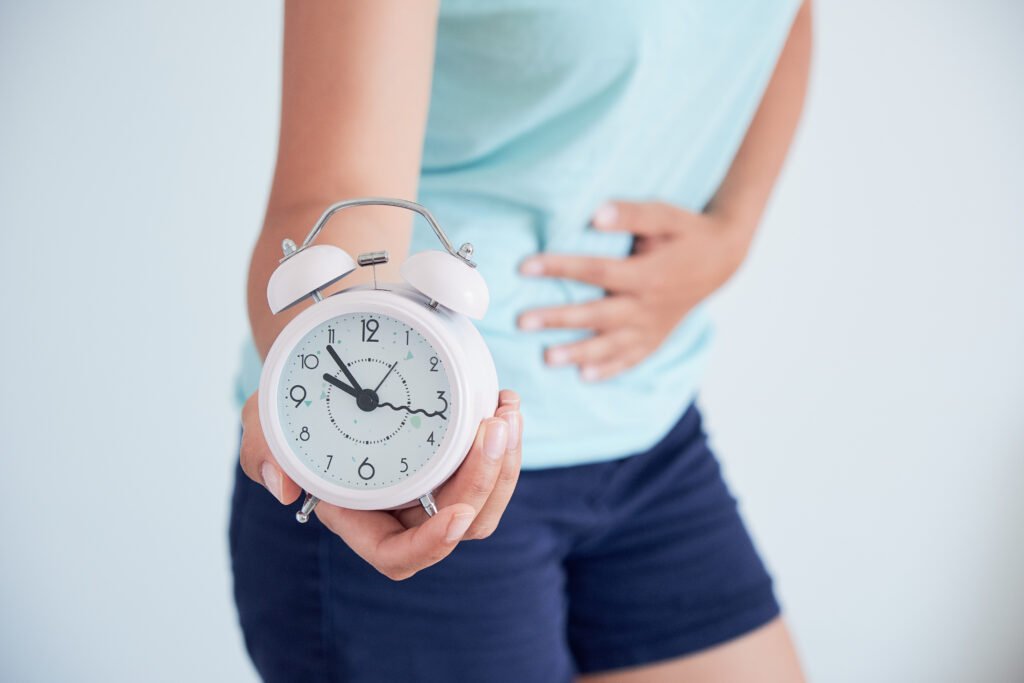
“Does anyone else feel intense pressure on their bladder and need to urinate constantly during a flare?”
If you live with diverticulitis, this question may sound all too familiar. While diverticulitis is widely known as a digestive condition, many people are surprised—and often alarmed—when urinary symptoms appear during a flare-up. Sudden bladder pressure, frequent urination, urgency, and even pelvic pain can become just as disruptive as the abdominal pain itself.
For many, these bladder symptoms appear suddenly during active inflammation and subside once the flare settles. For others, bladder sensitivity can linger for weeks or months. Unfortunately, these symptoms are often misunderstood, dismissed, or misdiagnosed as repeated urinary tract infections.
The truth is this: the connection between diverticulitis and bladder symptoms is real, medically recognized, and rooted in anatomy and inflammation. You are not imagining it—and you are certainly not alone.
In this article, we will explore:
- Why diverticulitis flare-ups cause bladder pressure and frequent urination
- How inflammation spreads through the pelvis
- The role of nerves and muscle tension
- Why symptoms often mimic urinary tract infections
- What may help manage bladder symptoms during a flare
What Is a Diverticulitis Flare?
Diverticulitis develops when small pouches (diverticula) in the colon become inflamed or infected. These pouches most commonly form in the sigmoid colon, which is located in the lower left abdomen.
A flare-up refers to a period of active inflammation or infection and may involve symptoms such as:
- Sharp or cramping lower abdominal pain
- Fever and chills
- Nausea and vomiting
- Constipation or diarrhea
- Bloating and abdominal pressure
- Fatigue
- And notably—urinary changes
During a flare, the immune system releases inflammatory chemicals to fight infection. This inflammatory response does not remain isolated to the bowel. Instead, it affects surrounding organs, connective tissue, muscles, and nerves throughout the pelvic region.
Why Diverticulitis Causes Bladder Pressure and Frequent Urination
1. The Colon and Bladder Are Anatomical Neighbors
The sigmoid colon and the bladder sit directly beside one another in the pelvis. When the colon becomes:
- Inflamed
- Swollen
- Thickened
- Or filled with inflamed diverticula
it can physically press against the bladder.
This mechanical pressure reduces the bladder’s ability to expand normally as it fills with urine. As a result:
- Even small volumes of urine feel uncomfortable
- The bladder sends “full” signals much earlier
- A constant feeling of urgency develops
- The need to urinate becomes frequent and persistent
Many people describe feeling as if their bladder is “always full,” even right after emptying it.
2. Inflammation Spreads Through Shared Pelvic Tissue
The organs of the pelvis are connected through:
- Fascia (connective tissue)
- Blood vessels
- Lymphatic drainage
- Shared inflammatory pathways
When diverticulitis triggers localized infection, the inflammatory chemicals released—such as cytokines and prostaglandins—can easily
spread to nearby structures, including the bladder.
This causes:
- Irritation of the bladder wall
- Increased bladder sensitivity
- Heightened urgency and pressure
- Pelvic discomfort even without a true bladder infection
In essence, the bladder becomes caught in the “inflammatory crossfire.”
3. Cross-Organ Nerve Sensitization
One of the most powerful mechanisms behind bladder symptoms during a diverticulitis flare is cross-organ sensitization.
The nerves that serve the colon and bladder travel through the same spinal pathways. During active bowel inflammation:
- Pain signals intensify along shared nerve routes
- The brain struggles to distinguish whether discomfort is coming from the bowel or bladder
- The bladder becomes neurologically hypersensitive
This leads to:
- Frequent urgency
- Pressure with minimal urine volume
- A constant feeling of needing to urinate
- Pelvic pain without infection
This is why many people report: “I feel like I need to go constantly, but barely anything comes out.”
4. Pelvic Floor Muscle Tension During Flares
Pain and inflammation cause the body to enter a protective muscular response. During a diverticulitis flare, the
pelvic floor muscles often tighten reflexively to guard against pain.
When these muscles remain in a chronic state of tension, they can:
- Interfere with complete bladder emptying
- Increase bladder pressure
- Trigger urgency and frequency
- Cause a weak or hesitant urine stream
- Create pelvic aching or spasms
Even after the bowel infection resolves, muscle guarding can persist—causing bladder symptoms to linger beyond the flare.
5. Diverticulitis Can Mimic a Urinary Tract Infection
Many people with diverticulitis experience classic UTI-like symptoms, including:
- Bladder pressure
- Urinary urgency
- Frequent urination
- Burning sensations
- Pelvic pain
Yet urine testing often shows no infection present.
This occurs because:
- Inflammation irritates surrounding tissues
- Nerves misfire urgency and pain signals
- The colon compresses the bladder mechanically
In rare but serious cases, repeated diverticulitis infections can lead to the formation of a colovesical fistula—an abnormal connection between the colon and the bladder.
This causes recurrent UTIs, air or stool in the urine, and requires surgical treatment.
The Role of Stress and the Nervous System
The bladder and bowel are both deeply regulated by the autonomic nervous system. Stress activates the sympathetic “fight-or-flight” response, which:
- Increases bladder sensitivity
- Intensifies urgency
- Heightens awareness of pelvic sensations
- Amplifies pain perception
This creates a self-reinforcing cycle:
Diverticulitis flare → bladder urgency → anxiety → worsened urgency → increased distress.
Breaking this cycle is an important part of long-term symptom management.
The Emotional Toll of Constant Urinary Urgency
Frequent urination and constant bladder pressure affect far more than physical comfort. Many people report:
- Interrupted sleep
- Anxiety about leaving the house
- Constant bathroom planning
- Fear during travel
- Work disruptions
- Embarrassment
- Decreased intimacy
Some begin restricting fluids to avoid urinating—ironically worsening bladder irritation. Over time, this constant vigilance creates a heavy mental burden.
These struggles are real, valid, and deserve medical acknowledgment.
What Can Help During a Diverticulitis-Related Bladder Flare?
1. Follow Flare-Appropriate Nutrition
During acute diverticulitis flares, doctors often recommend:
- Clear liquids initially
- Followed by a low-fiber, low-residue diet
Avoid common bladder irritants such as:
- Caffeine
- Alcohol
- Carbonated drinks
- Artificial sweeteners
- Spicy foods
- Citrus products
These can significantly worsen bladder pressure and urgency.
2. Gentle Hydration
Sipping water regularly:
- Dilutes urine
- Reduces bladder lining irritation
- Eases burning sensations
- Prevents constipation (which further compresses the bladder)
Dehydration leads to highly concentrated urine, which worsens urgency and discomfort.
3. Heat Therapy
Applying heat to the:
- Lower abdomen
- Pelvic region
- Lower back
can:
- Increase blood flow
- Relax pelvic muscles
- Calm irritated nerves
- Reduce cramping and pressure
4. Pelvic Floor Physical Therapy
Once the flare resolves, pelvic floor therapy can help:
- Release muscle guarding
- Normalize bladder function
- Improve bladder emptying
- Reduce chronic urgency
- Improve pelvic pain
Many people experience significant improvement after targeted pelvic rehabilitation.
5. Medical Treatment
Depending on severity, doctors may prescribe:
- Antibiotics for infection
- Antispasmodics for bowel and bladder
- Anti-inflammatory medications
- Pain management therapies
Never ignore worsening urinary symptoms without medical evaluation.
When to Seek Immediate Medical Attention
Contact your healthcare provider urgently if you experience:
- Fever with urinary symptoms
- Blood in urine
- Severe flank or pelvic pain
- Foul-smelling urine
- Recurrent UTIs
- Air bubbles during urination
- Inability to urinate
These may signal serious complications requiring prompt treatment.
You Are Not Alone—And This Symptom Is Medically Valid
If you’ve ever asked:
“Why does my bladder feel like it’s under constant pressure during a diverticulitis flare?”
The answer lies in anatomy, inflammation, nerve signaling, muscle tension, and immune activation—not anxiety, exaggeration, or imagination.
Diverticulitis does not affect only the bowel. It affects the entire pelvic ecosystem. The bladder is simply one of its closest and most sensitive neighbors.
With informed medical care, symptom targeting, and pelvic support strategies, many people find real improvement and regain control over both their digestive and urinary health.
References
- Strate, L. L., & Morris, A. M. (2019). Epidemiology, pathophysiology, and treatment of diverticulitis. Gastroenterology.
- Tursi, A., et al. (2020). Diverticular disease and its complications. Nature Reviews Gastroenterology & Hepatology.
- Berkley, K. J. (2005). A life of pelvic pain. Physiology & Behavior.
- Tu, F. F., et al. (2010). Cross-organ sensitization between colon and bladder. Neurogastroenterology & Motility.
- FitzGerald, M. P., et al. (2009). Pelvic floor muscle dysfunction and bladder pain. Journal of Urology.
- Cleveland Clinic. Diverticulitis: Symptoms, Causes, Diagnosis, and Treatment.
- National Institute of Diabetes and Digestive and Kidney Diseases (NIDDK). Diverticular Disease Overview.
Further Reading
1. Mayo Clinic — Diverticulitis: Symptoms & Causes
https://www.mayoclinic.org/diseases-conditions/diverticulitis/symptoms-causes/syc-20371758
Explains what diverticulitis is, how it forms, and what symptoms occur during a flare.
2. Mayo Clinic — Diverticulitis: Diagnosis & Treatment
https://www.mayoclinic.org/diseases-conditions/diverticulitis/diagnosis-treatment/drc-20371764
Supports your treatment and complications sections.
3. National Institute of Diabetes and Digestive and Kidney Diseases (NIDDK) — Diverticulosis & Diverticulitis
https://www.niddk.nih.gov/health-information/digestive-diseases/diverticulosis-diverticulitis
Strong government-backed medical authority for diverticular disease.
4. Cleveland Clinic — Diverticulitis Overview
https://my.clevelandclinic.org/health/diseases/10352-diverticulitis
Notes that diverticulitis near the bladder may cause urinary irritation.
5. Cleveland Clinic Health Essentials — Diverticulitis Diet
https://health.clevelandclinic.org/what-foods-should-you-eat-and-avoid-on-a-diverticulitis-diet
Supports your nutrition and flare-management guidance.
6. Cleveland Clinic — Urinary Urgency
https://my.clevelandclinic.org/health/symptoms/urinary-urgency
Supports bladder urgency even without infection.
7. Cleveland Clinic — Cystitis / Bladder Inflammation
https://my.clevelandclinic.org/health/diseases/15735-cystitis
Supports bladder wall irritation symptoms.
8. Cleveland Clinic Journal of Medicine — Acute Diverticulitis Review (PDF)
https://www.ccjm.org/content/72/7/620
Clinical journal stating that diverticulitis near the bladder can cause urinary symptoms.
9. Johns Hopkins Medicine — Diverticulitis Overview
https://www.hopkinsmedicine.org/health/conditions-and-diseases/diverticulitis
High-authority hospital reference for symptoms and complications.
10. Harvard Health Publishing — Diverticular Disease
https://www.health.harvard.edu/diseases-and-conditions/diverticular-disease
Adds academic credibility and public education authority.
11. Physiology & Behavior Journal — Pelvic Pain & Cross-Organ Sensitization
https://pubmed.ncbi.nlm.nih.gov/15885693
Supports nerve cross-sensitization between bowel and bladder.
12. Neurogastroenterology & Motility — Colon–Bladder Sensitization
https://pubmed.ncbi.nlm.nih.gov/20199589
Directly supports your bladder/bowel nerve-link explanation.
13. Journal of Urology — Pelvic Floor Dysfunction & Bladder Pain
https://pubmed.ncbi.nlm.nih.gov/19375090
Supports pelvic floor spasm and bladder symptoms.
14. NIH — Colovesical Fistula (Colon–Bladder Connection)
https://www.ncbi.nlm.nih.gov/books/NBK548382
Supports the serious complication section medically.
15. World Gastroenterology Organisation — Diverticular Disease Guidelines
https://www.worldgastroenterology.org/guidelines/diverticular-disease
International authority supporting diagnosis and management.