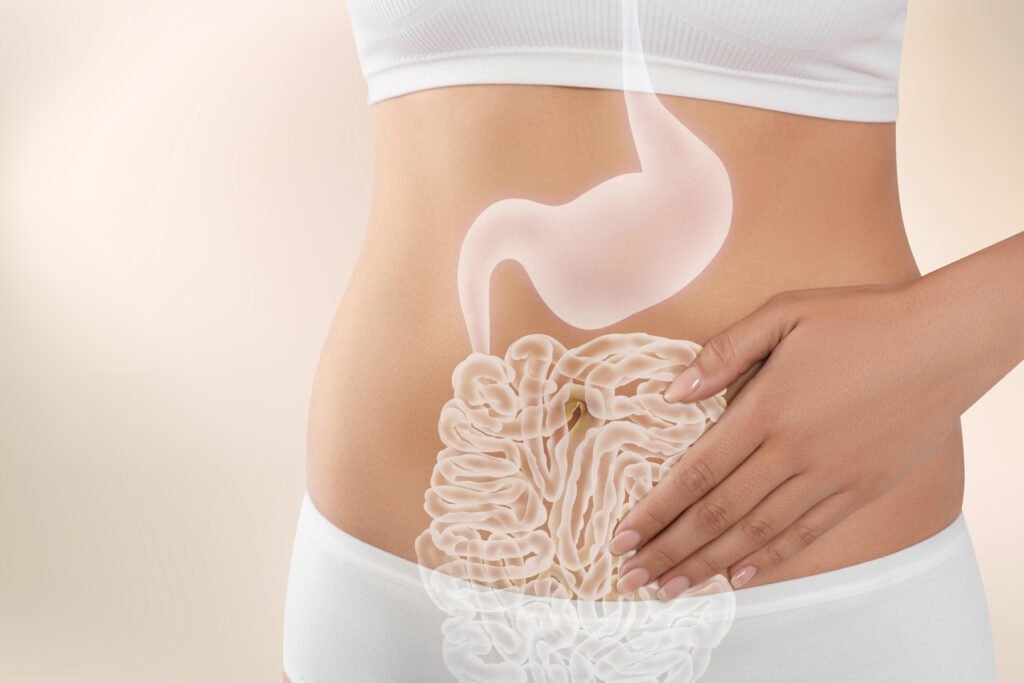
At Calming Blends, our community is made up of people who pay close attention to their digestive health—often because they’ve had to. Many live with diverticulosis, have experienced diverticulitis flares, or are actively working to support gut calm and regularity after recovery.
At the same time, a growing number of people are being prescribed semaglutide medications such as Ozempic, Wegovy, and Rybelsus for blood sugar control or weight management.
This has raised an important and very reasonable question:
If I have diverticulitis or diverticulosis, could semaglutide support my health — or could it make my gut symptoms worse?
The honest answer is that it depends on the individual. Semaglutide is not designed to treat digestive conditions, and while some people tolerate it without issue, others notice gastrointestinal side effects that can overlap with — or aggravate — diverticular symptoms.
Below, we’ll walk through what current research and clinical guidance suggest, in clear and calm language, with a focus on gut sensitivity and long-term digestive comfort.
A Quick Overview: What Is Diverticulitis?
Diverticulitis occurs when small pouches in the lining of the colon, called diverticula, become inflamed or infected. Many people have diverticulosis, meaning the pouches are present but not inflamed, and never experience symptoms.
When inflammation does occur, symptoms may include:
-
Lower abdominal pain, often on the left side
-
Bloating or abdominal pressure
-
Changes in bowel habits (constipation or diarrhea)
-
Fever or chills
-
Nausea
Digestive regularity, hydration, inflammation levels, and bowel motility all play a major role in whether diverticula remain quiet or become problematic.
If you want a deeper explanation of how diverticulitis develops and why flares occur, you can read our detailed guide.
Is it Diverticulitis? What are the symptoms of a flare-up?
How Semaglutide Works — and Why the Gut Is So Involved
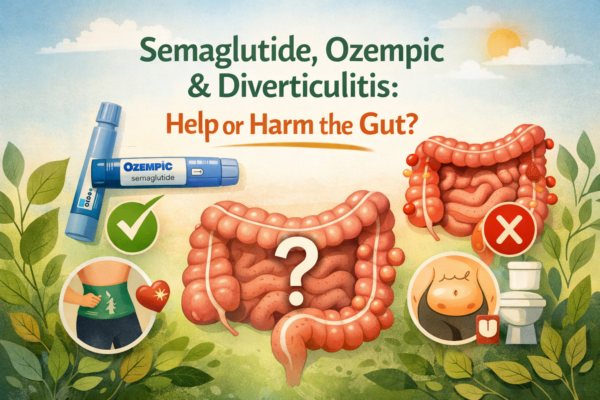
Semaglutide belongs to a class of medications known as GLP-1 receptor agonists. These medications mimic a naturally occurring hormone (glucagon-like peptide-1) that helps regulate blood sugar and appetite.
From a digestive standpoint, semaglutide:
-
Slows stomach emptying
-
Reduces appetite
-
Increases feelings of fullness
-
Slows intestinal motility
These effects are part of why semaglutide can be effective for blood sugar control and weight loss. However, they also explain why gastrointestinal side effects are among the most commonly reported.
For people with sensitive digestion or a history of diverticulitis, this slowing of the digestive tract is especially relevant.
Can Semaglutide Help Diverticulitis? (Indirect and Theoretical Benefits)
It’s important to be clear: semaglutide is not a treatment for diverticulitis, and there are no clinical trials showing that it prevents flares or heals diverticula.
That said, some of its secondary effects may indirectly support overall gut health for certain individuals.
1. Weight Loss May Reduce Pressure in the Colon
Excess abdominal weight can increase intra-abdominal pressure, which may contribute to stress on the colon wall. Gradual, sustained weight loss may reduce that pressure over time.
For some people with diverticulosis, lowering mechanical strain on the colon may be beneficial — but this effect is indirect and varies from person to person.
2. Improved Metabolic Health and Inflammation Balance
Semaglutide has been shown to improve insulin resistance and metabolic markers. Chronic low-grade inflammation is thought to play a role in many digestive conditions, including diverticular disease.
Reducing systemic inflammation may support overall gut health, though it does not specifically target diverticulitis.
3. Smaller, Slower Eating Patterns
Many people on semaglutide naturally shift toward eating smaller portions and fewer heavy meals. For some digestive systems, this pattern feels gentler and easier to tolerate.
However, for others, reduced intake can backfire if it leads to dehydration, low fiber intake, or irregular bowel movements.
How Semaglutide May Worsen Diverticulitis Symptoms
For people with a history of diverticulitis, the potential downsides are often more immediate and noticeable.
1. Constipation and Slowed Bowel Motility
One of the most common side effects of GLP-1 medications is constipation. Slower movement of stool through the colon can increase pressure inside diverticula — a known contributor to diverticulitis flares.
If constipation has been a trigger for you in the past, this is a critical factor to monitor closely. You can learn more about the constipation-diverticulitis connection here:
Nurturing Your Gut: A Comprehensive Diet Guide for Diverticulosis
2. Bloating and Abdominal Discomfort
Gas, fullness, and abdominal pain are frequently reported with semaglutide, especially during dose increases. These sensations can closely mimic diverticulitis symptoms, making it difficult to tell whether discomfort is medication-related or something more serious.
Delays in recognizing a true flare can lead to more severe symptoms.
3. Reduced Fluid and Fiber Intake
Nausea and early satiety may lead people to eat and drink less overall. Unfortunately, hydration and adequate fiber (when tolerated) are essential for maintaining colon health and regular bowel movements.
Low intake of either can increase the risk of constipation and digestive discomfort.
4. Use During an Active Diverticulitis Flare
During an active flare, the colon is already inflamed and sensitive. Many healthcare providers recommend pausing or carefully reassessing semaglutide use during this time, as further slowing digestion may worsen discomfort or delay recovery.
What This Means for the Calming Blends Community
If you are living with diverticulosis or diverticulitis and are using — or considering — semaglutide, a few principles matter more than anything else:
-
There is no one-size-fits-all answer
-
Tolerance varies widely
-
Slow dose escalation is critical
-
Digestive signals should never be ignored
Many people in our community focus on supporting digestive calm between flares, rather than pushing their gut during periods of sensitivity.
If you’re recovering from a flare or trying to stabilize digestion, our Diverticulitis Recovery Diet guide explains how many people support their gut gently during different phases:
The 3 phases of a Diverticulitis Diet
Supporting Digestive Calm Alongside Prescription Medications
At Calming Blends, we emphasize approaches that prioritize digestive comfort, regularity, and consistency, especially for sensitive guts.
Common supportive habits include:
-
Drinking water consistently throughout the day
-
Introducing fiber slowly and gently, as tolerated
-
Avoiding sudden or extreme dietary changes
-
Supporting digestion during non-flare periods rather than during acute inflammation
Many people also explore non-stimulating herbal approaches as part of a broader digestive routine. If you’re curious how herbal teas are commonly used to support digestive calm, you can read more here:
Always review supplements, herbs, or dietary changes with your healthcare provider — especially when taking prescription medications.
Frequently Asked Questions (FAQ)
Can Ozempic cause diverticulitis?
There is no evidence that Ozempic directly causes diverticulitis. However, side effects such as constipation and slowed digestion may increase flare risk in susceptible individuals.
Should semaglutide be stopped during a diverticulitis flare?
Many healthcare providers recommend pausing or reassessing GLP-1 medications during an active diverticulitis flare. Always follow your provider’s guidance.
Is semaglutide safe if I only have diverticulosis?
Some people with diverticulosis tolerate semaglutide well, but hydration, bowel regularity, and close symptom monitoring are essential.
Can weight loss improve diverticulitis outcomes?
Maintaining a healthy weight may reduce abdominal pressure, but rapid or medication-induced digestive changes should be managed carefully.
Can herbal teas be used with semaglutide?
Many people use gentle herbal teas alongside prescription medications, but all supplements or herbal products should be reviewed with a healthcare provider.
Medical Disclaimer
This content is for educational purposes only and is not intended as medical advice, diagnosis, or treatment. Calming Blends products are not intended to diagnose, treat, cure, or prevent any disease. Always consult your physician or qualified healthcare provider before starting or stopping any medication, supplement, or dietary program, especially if you have a medical condition such as diverticulitis.